Heating and Cooling Highlands Ranch CO Done Right the First Time

When your furnace quits on a January night or your AC struggles through a July afternoon, Heating and Cooling Highlands Ranch CO from our team gets your home comfortable again. We work the neighborhoods from Northridge to Backcountry every week, so we know the housing stock, the altitude, and the HOA rules that affect your system. One call and we roll a stocked truck to your door.

Heating and Cooling in Highlands Ranch

Serving Highlands Ranch and nearby

  • Readings on every visitYou see the numbers before we leave
  • Written scope firstFlat price before any work starts
  • Parts on the truckMost repairs finish in one visit
  • Old equipment hauled awayWe leave the space clean

Heating and Cooling Highlands Ranch CO Built on Local Work

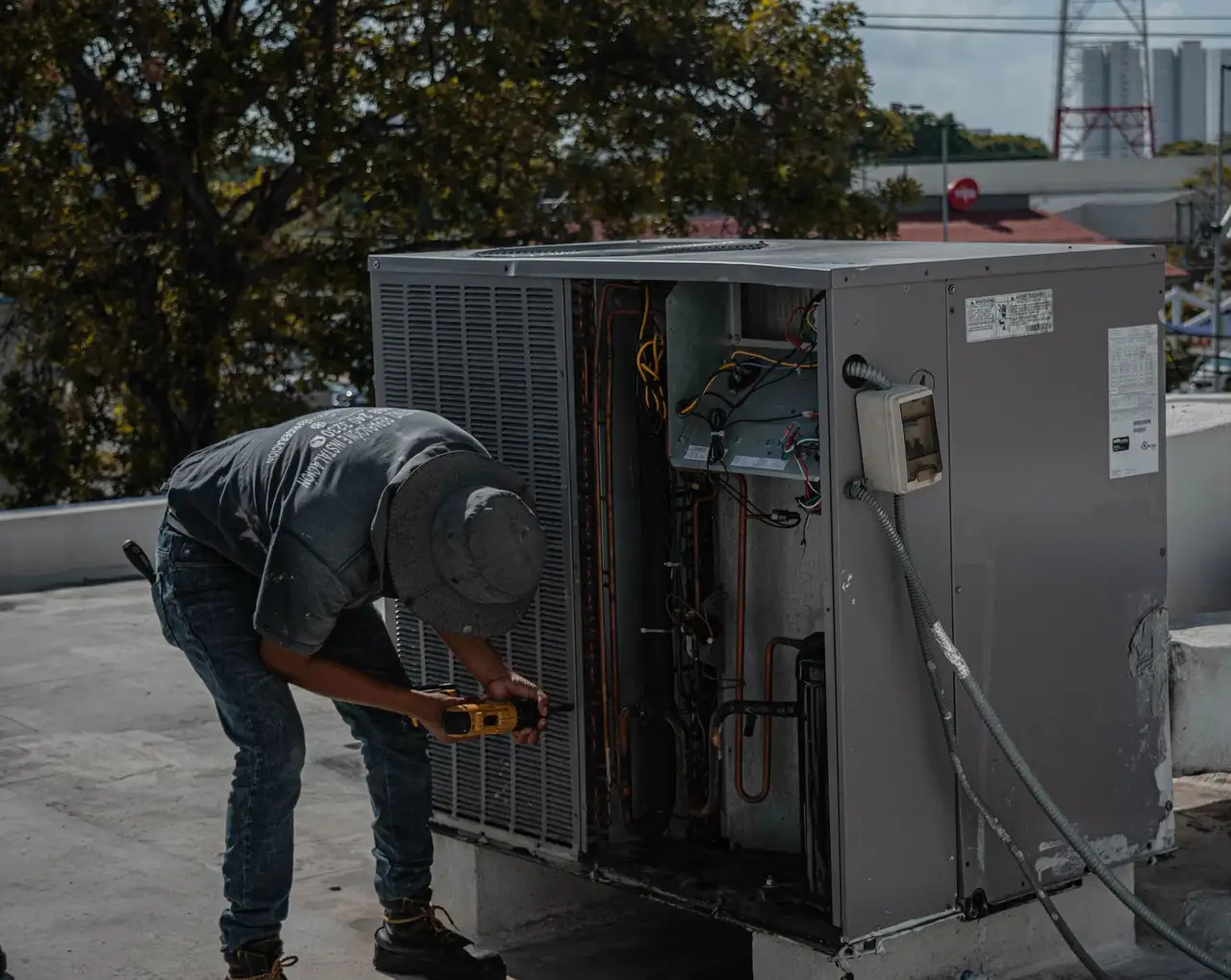
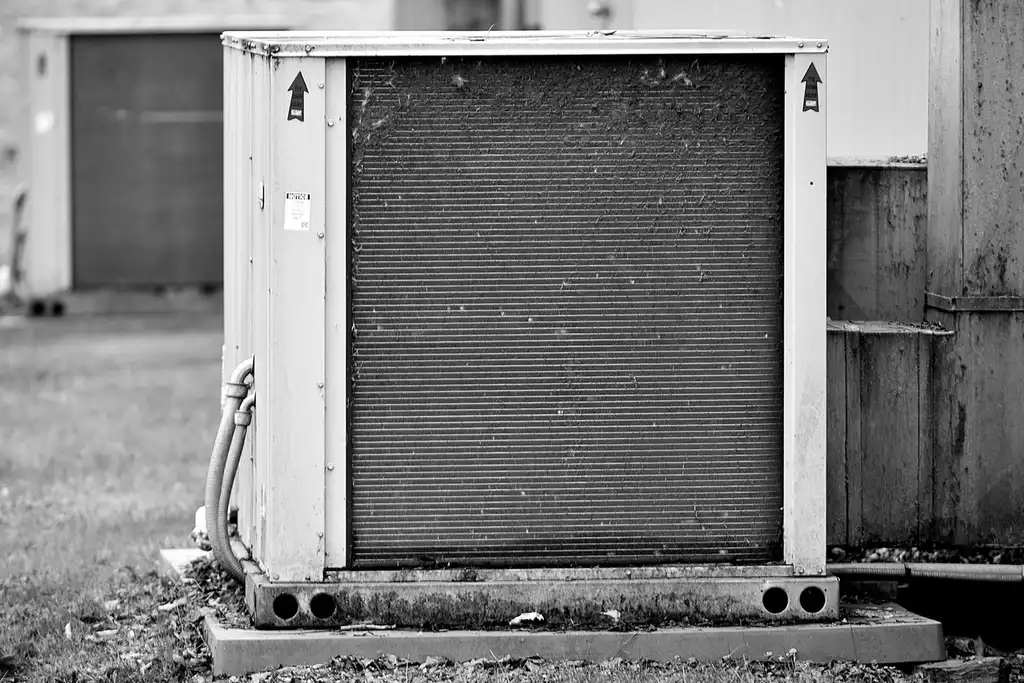
Highlands Ranch is one of the largest master-planned communities in Colorado, and its HVAC needs look different from older Denver suburbs. Most homes here went up between the late 1980s and today, which means you will find everything from original 1990s furnaces in Northridge to high-efficiency variable-speed systems in Backcountry. That mix keeps our technicians busy with furnace repair Highlands Ranch CO year-round, plus AC repair when the Front Range heat pushes past 95 degrees. We handle both sides of the system, so you are not juggling two contractors when the seasons flip. Our trucks carry the manifold gauge sets, vacuum pumps, and refrigerant recovery machines needed to diagnose and repair most systems on the first visit. We also stock common parts like igniters, thermocouples, blower motors, and capacitors, because a second trip for a $40 part wastes your day. Whether you are in Westridge, Eastridge, or Southridge, you get a technician who has worked on your type of system before and can explain what is wrong in plain language.

Highlands Ranch sits at roughly 5,800 feet, and that altitude changes how HVAC equipment performs. Furnaces run richer air-fuel mixtures, AC systems lose capacity, and equipment sized for sea level will short-cycle or never keep up. We size every replacement using ACCA Manual J and D calculations, not guesswork. The community also has HOA rules that can affect where a condenser or heat pump gets placed, and we know how to work within those guidelines without delaying your project. Cold winters and hot summers here mean your system runs hard in both directions, so maintenance matters more than it does in milder climates.
HVAC Services Available in Highlands Ranch CO

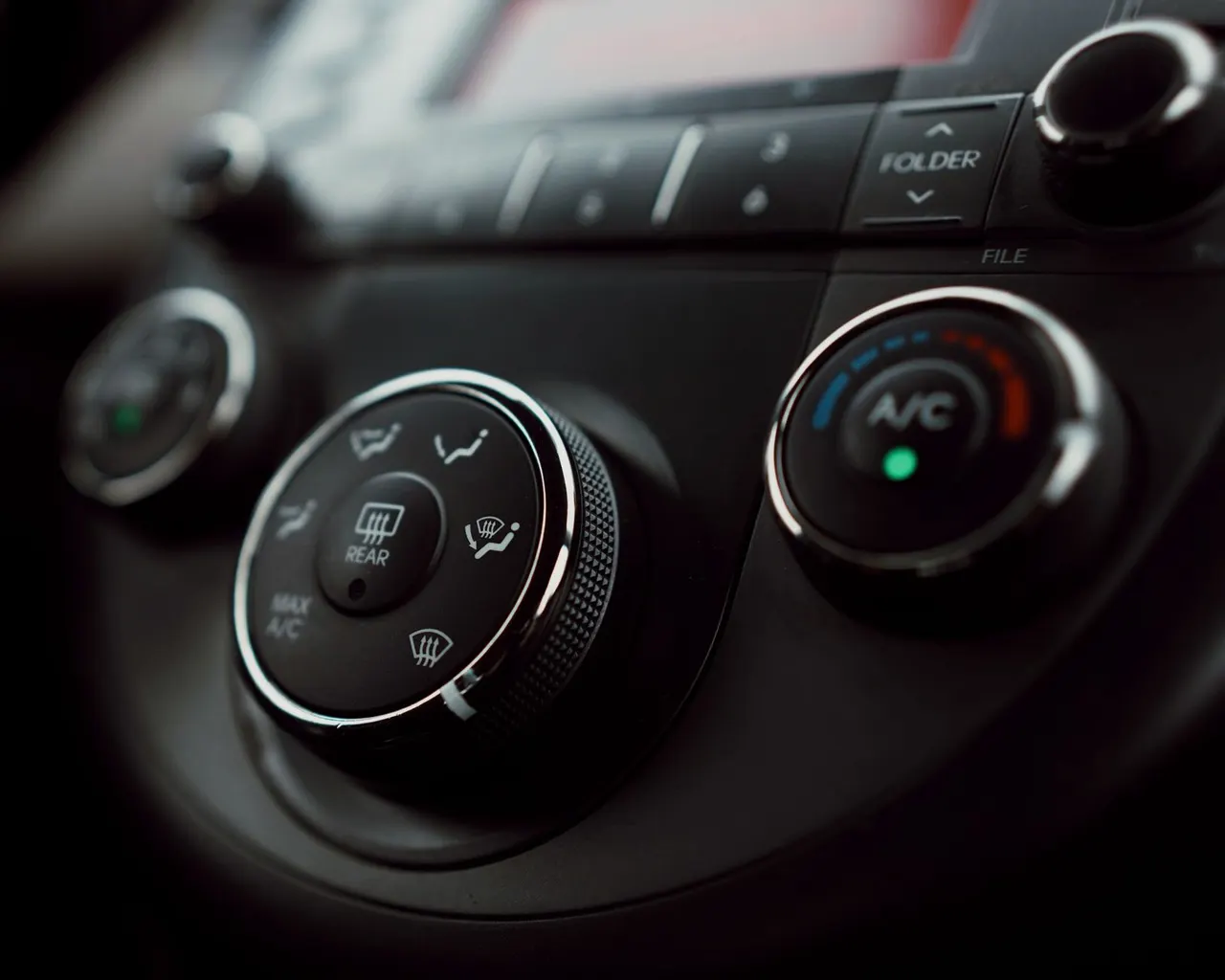
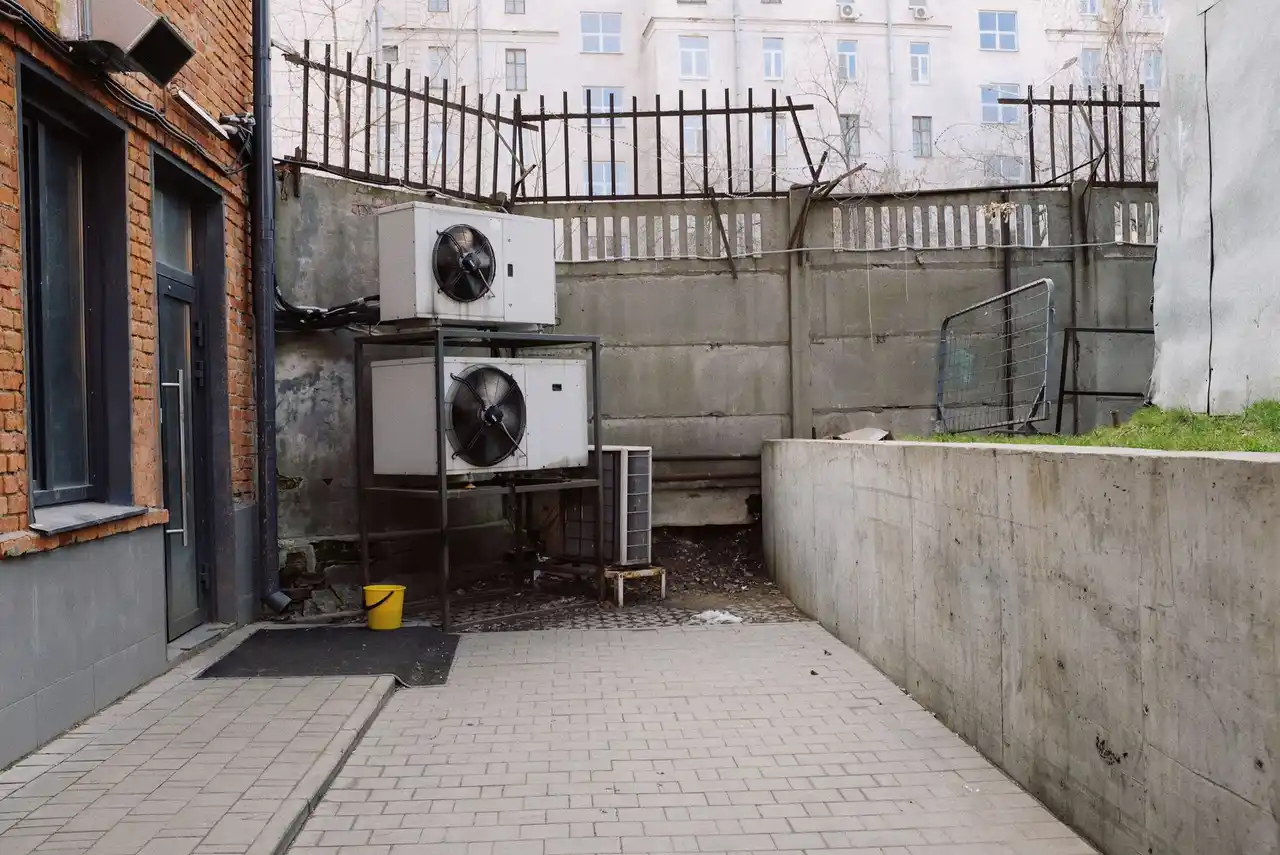
Highlands Ranch homeowners call us for everything from a furnace that will not ignite to a full system replacement. Because the housing stock ranges from 1990s builds to new construction, we see both aging equipment and modern high-efficiency systems that need manufacturer-specific parts. If you need furnace and AC service ZIP 80126 Highlands Ranch, we cover that along with the rest of the community. Here is what we do most in this area.

How each service works in Highlands Ranch

Furnace Repair in Highlands Ranch

Furnace Repair in Highlands Ranch

We test ignition, flame sensor, and heat exchanger before quoting a repair. Altitude affects combustion, so we adjust the air-fuel mixture with a combustion analyzer. Most furnace repairs are done the same day.

  • Ignition and flame sensor tested
  • Heat exchanger inspected
  • Combustion analyzer used
For homes in Highlands Ranch

For homes in Highlands Ranch

We work on all types of homes here, from 1990s builds to new construction. Each home gets a system sized for its ductwork and altitude.

  • Older homes in Northridge
  • Newer builds in Backcountry
  • Homes with bonus rooms
  • Houses with original ductwork
For businesses in Highlands Ranch

For businesses in Highlands Ranch

We service light commercial systems in offices, retail, and restaurants. Work is scheduled around your business hours to avoid disruption.

  • Town Center retail spaces
  • Office suites
  • Restaurants
  • Small warehouses

Common Heating and Cooling Problems in Highlands Ranch

Highlands Ranch has specific conditions that lead to recurring HVAC problems. The altitude, the mix of older and newer homes, and the temperature swings all play a role. If you need AC repair Highlands Ranch CO, chances are we have seen your exact issue before. Here are the problems we fix most often in this community.

  • Furnace not heating due to altitude-related combustion issues

    Furnace not heating due to altitude-related combustion issues

    At 5,800 feet, gas furnaces need adjusted air-fuel mixtures. A furnace that was not tuned for altitude may run rich, causing soot buildup, premature heat exchanger wear, and ignition problems. We use a combustion analyzer to check and adjust the air-fuel ratio. We also inspect the heat exchanger for cracks and test the ignition system. If the furnace is repairable, we fix it; if not, we explain your options clearly.

  • AC running but not cooling because of refrigerant leaks

    AC running but not cooling because of refrigerant leaks

    Highlands Ranch summers push AC systems to their limits. Vibration and temperature changes can cause small leaks at fittings and valves. Once refrigerant drops below the required level, the system cannot cool effectively. We use a leak detector to find the source, then repair it and recharge the system with R-410A or R-32. We also check the evaporator coil for freezing and verify airflow with an anemometer to prevent future issues.

  • Short cycling caused by oversized equipment

    Short cycling caused by oversized equipment

    Some homes in Highlands Ranch were built with HVAC equipment that was not properly sized for the altitude or the home's actual load. Oversized systems cool or heat too quickly and then shut off, which wears out components and raises energy bills. We run ACCA Manual J and D calculations to determine the correct size. If your system is oversized, we can recommend a right-sized replacement or adjust airflow and controls to reduce cycling until you are ready to replace.

  • Duct leakage in older homes

    Duct leakage in older homes

    Homes built in the 1980s and 1990s often have ductwork that has degraded over time. Leaks at joints and connections waste conditioned air and make some rooms uncomfortable. This is common in Northridge and Westridge. We use a duct leakage tester to measure how much air is escaping. Then we seal the leaks with mastic and tape, and verify the improvement. Sealing ducts can improve comfort and lower energy bills by 10 to 20 percent.

Signs You Need Heating and Cooling Service in Highlands Ranch

Watch for these signs before your system fails completely.

  • Furnace runs but house stays cold

    This often means a dirty flame sensor, a failing igniter, or a blower motor that is not moving enough air. In Highlands Ranch, altitude can also affect combustion. If your furnace runs constantly but does not heat, you are wasting gas and risking a breakdown.

  • AC blows warm air

    Warm air from your vents usually points to a refrigerant leak, a failed compressor, or a capacitor that has given out. Summer heat in Highlands Ranch pushes AC systems hard, and a small leak can become a major failure quickly. We check charge and components to find the cause.

  • Thermostat readings are inconsistent

    If your thermostat says 72 but the house feels like 65, you may have a calibration issue, a bad thermostat, or a zoning problem. Smart thermostats like Nest and Honeywell can fail or lose connection. We test the thermostat and the system to find the real issue.

  • Strange noises from the system

    Banging, screeching, or rumbling sounds usually mean a mechanical problem like a failing blower motor, a loose belt, or a cracked heat exchanger. These are not noises you should ignore. A cracked heat exchanger can be a safety issue, so call us right away.

  • Energy bills spike without explanation

    A sudden jump in your gas or electric bill often means your system is working harder than it should. Dirty filters, duct leaks, or a failing component can all cause this. In Highlands Ranch, duct leakage is common in older homes, and we can test and seal it.

How We Execute Heating and Cooling Work in Highlands Ranch

Highlands Ranch has its own set of conditions that affect how we do HVAC work. The altitude sits around 5,800 feet, which means gas furnaces need adjusted air-fuel ratios and AC condensers lose roughly 10 to 15 percent of their rated capacity compared to sea level. We account for that when sizing and tuning equipment. The housing stock ranges from late 1980s builds in Northridge to new construction in Stepping Stone and Backcountry, so we carry parts for both older and newer systems. HOA rules in many neighborhoods restrict where condensers, heat pumps, and generators can be placed, and we know how to work within those guidelines without delaying your install. Scheduling is straightforward: we run regular routes through 80126, 80129, and 80130, so we can often offer same-day service for repairs. When we arrive, we park on the street or driveway, protect your floors, and walk you through what we find before we start work. If you need furnace repair Highlands Ranch 80129, we are usually there within a few hours.

  • High altitude reduces AC capacity and affects furnace combustion

    Equipment sized for lower elevations will short-cycle or fail to keep up during temperature extremes. Furnaces may run rich, causing premature heat exchanger wear. We size every system using ACCA Manual J and D calculations that account for altitude, then adjust gas pressure and airflow to match. For AC, we verify charge and airflow with manifold gauges and an anemometer to confirm real-world performance.

  • HOA rules restrict equipment placement and visibility

    Condensers, heat pumps, and generators may need screening or specific setbacks, which can delay installation if not planned for. We review HOA guidelines before we order equipment and design the install to meet them. That means no surprises on inspection day and no second visit to move a unit that was placed wrong.

  • Mixed housing stock from 1990s to new construction

    Older homes often have ductwork that needs sealing or resizing, while newer homes may have high-efficiency systems with proprietary parts. Our trucks carry parts for both older and newer equipment, and we use a duct leakage tester to find leaks in older systems. For newer homes, we stock manufacturer-specific components for Carrier, Trane, and Lennox systems.

  • Colorado HVAC contractor license

    All HVAC work in Colorado requires a licensed contractor. We hold the required state license and pull permits when the job requires it, so your installation passes inspection.

  • EPA Section 608 certification

    Any work involving refrigerant handling requires EPA Section 608 certification. Our technicians are certified, which means refrigerant is recovered, recycled, and charged legally and safely.

  • ACCA Manual J and D

    These standards govern load calculations and duct design. We follow them on every replacement, which prevents oversized equipment and ensures your system performs as rated.

Landmarks and Points of Interest in Highlands Ranch

We use Highlands Ranch landmarks to navigate and to give customers clear arrival windows. The Town Center is a central reference point, and Civic Green Park and Redstone Park help us orient when we are routing through the community. The Highlands Ranch Community Association offices are another marker we use when scheduling. Chatfield State Park sits on the western edge, and we know the roads around it well because we serve homes in that part of the community. These landmarks help us get to your door faster and give you a clear idea of when we will arrive.

  • Highlands Ranch Town Center

    The Town Center is a central hub at the intersection of Highlands Ranch Parkway and Lucent Boulevard. We use it as a reference point when routing to homes in Northridge, Westridge, and Eastridge.

  • Civic Green Park

    Civic Green Park sits near the Town Center and is a common landmark for customers giving directions. It helps us locate nearby streets in the central part of Highlands Ranch.

  • Redstone Park

    Redstone Park is in the eastern part of Highlands Ranch and serves as a marker for homes in Eastridge and nearby neighborhoods. We use it to confirm addresses when scheduling service.

  • Highlands Ranch Community Association

    The Community Association offices are a known reference point for residents. We use them when giving arrival windows and when confirming HOA-related details for equipment placement.

  • Chatfield State Park

    Chatfield State Park borders the western edge of Highlands Ranch. It helps us orient when routing to homes in Westridge and the western parts of the community.

  • Highlands Ranch Town Center

    The Town Center is a mixed-use commercial district with retail, restaurants, and offices. It is a central landmark for the community and a common reference point for scheduling service calls.

  • Aspen Grove

    Aspen Grove is a retail and dining area along Santa Fe Drive on the western edge of Highlands Ranch. It is a known commercial hub and helps us locate nearby residential streets.

  • C-470

    C-470 runs along the northern edge of Highlands Ranch and provides quick access to our Littleton base. We use it daily to reach homes in 80126, 80129, and 80130.

Neighborhoods We Serve in Highlands Ranch

Highlands Ranch is divided into distinct neighborhoods, and each has its own mix of housing types and HVAC systems. We work in all of them, from the original sections to the newest builds. Here are a few we visit most often.

  • Northridge
  • Westridge
  • Eastridge
  • Backcountry
  • 80129
  • 80126
  • 80130
  • 80163

Local Case Studies and Results

  • Northridge

    Before

    A homeowner in Northridge had a 22-year-old furnace that would not ignite. The house was cold, and they had already replaced the thermostat with no luck.

    After

    We tested the ignition system and found a failed igniter and a dirty flame sensor. We replaced both, cleaned the burners, and checked the heat exchanger with a combustion analyzer. The furnace fired up and ran within an hour. The homeowner had heat the same day for under $300. We also noted the furnace was near end of life and gave them a replacement quote for when they are ready.

  • Eastridge

    Before

    A family in Eastridge called because their AC was running but not cooling. The house was 82 degrees inside during a July heat wave.

    After

    We found a refrigerant leak at a Schrader valve and a failed capacitor. We repaired the leak, evacuated the system with a vacuum pump, and recharged it with R-410A. We also replaced the capacitor and checked airflow. The AC was cooling again within two hours, and the house dropped to 72 degrees by evening. The repair cost was $450, far less than a new system.

  • Backcountry

    Before

    A homeowner in Backcountry had a heat pump that was short-cycling and not keeping up on cold nights. The system was only five years old.

    After

    We checked the defrost cycle and found a faulty sensor. We also discovered the system was slightly overcharged, which affected performance. We replaced the sensor, adjusted the charge, and verified airflow with an anemometer. The heat pump ran normally and maintained temperature through the rest of the winter. The repair was covered under the manufacturer warranty, so the homeowner paid only the diagnostic fee.

Seasonal Considerations for Heating and Cooling in Highlands Ranch

  • Spring

    Spring in Highlands Ranch brings temperature swings that can hit 60 degrees in a day. Your system may switch between heating and cooling, which stresses components. This is also when pollen and dust build up in filters and coils. Schedule a spring tune-up to clean coils, check refrigerant charge, and replace filters. This is the best time to catch small AC issues before summer heat arrives.

  • Summer

    Summers are hot and dry, with temperatures often in the 90s. Your AC runs constantly, which can lead to capacitor failures, refrigerant leaks, and frozen coils. Altitude reduces AC capacity, so systems work harder here than at lower elevations. Change your filter monthly during peak summer. If your AC is struggling, call us before it fails completely. We can check charge and components and make repairs before the next heat wave.

  • Fall

    Fall is mild but signals the start of heating season. This is the time to check your furnace before the first cold snap. Ignition problems and dirty burners often show up on the first cold morning. Book a furnace tune-up in early fall. We clean burners, test the ignition system, and check the heat exchanger with a combustion analyzer. This prevents no-heat calls in January.

  • Winter

    Winters in Highlands Ranch are cold, with temperatures dropping below zero at times. Furnaces run constantly, and any weakness in the system will show up. Cracked heat exchangers, failed igniters, and blower motor problems are common. Keep your filter clean and listen for strange noises. If your furnace is not heating, call us immediately. We prioritize no-heat calls in winter and can often be there the same day.

What to Ask Before Hiring an HVAC Contractor in Highlands Ranch

Not all HVAC contractors are the same, and in a community like Highlands Ranch, local knowledge matters. A contractor who knows the altitude, the housing stock, and the HOA rules will do a better job than one who does not. Here are the questions you should ask before you hire anyone.

  • Are you licensed and insured in Colorado?

    HVAC work in Colorado requires a state license. If a contractor is not licensed, you have no recourse if something goes wrong. Insurance protects you if a technician is injured on your property. Ask for proof before work begins.

  • Do you have experience with homes at this altitude?

    Highlands Ranch sits at 5,800 feet, and equipment must be sized and tuned for altitude. A contractor who does not account for this will install a system that never performs as it should. Ask how they calculate load and adjust for altitude.

  • Will you pull a permit for the work?

    Permits ensure the work is inspected and meets code. If a contractor skips the permit, you may have problems when you sell your home or if there is a safety issue. Reputable contractors pull permits for installations and major repairs.

  • What brands do you carry, and why?

    The brand matters less than the installation quality, but some brands have better parts availability and warranty support. Ask why they chose their brands and whether they can service the equipment they install. You want a contractor who stands behind the product.

  • What is your warranty on parts and labor?

    Manufacturer warranties cover parts, but labor is often separate. Ask how long the labor warranty lasts and what it covers. A strong labor warranty shows the contractor stands behind their work and will fix problems if they arise.

Heating and Cooling Highlands Ranch CO FAQs

Still wondering? 1234567890

Local service team

Call Us for Heating and Cooling Highlands Ranch CO

When your furnace or AC quits, you need someone who knows Highlands Ranch and can get there fast. We run routes through 80126, 80129, and 80130 every day, and we stock the parts that fail most in this community. Call us for furnace repair, AC service, or a replacement quote. We will tell you what is wrong, what it costs, and when we can fix it.

Contact Littleton Heating & Cooling

Call us at 1234567890 or email info@littletonheating&cooling.com to book a service call. We answer phones Monday through Friday, 8 a.m. to 6 p.m., and run emergency dispatch seven days a week. Most calls get a same-day window if you reach us before noon.

Thanks. Your request is in and the team will follow up shortly.