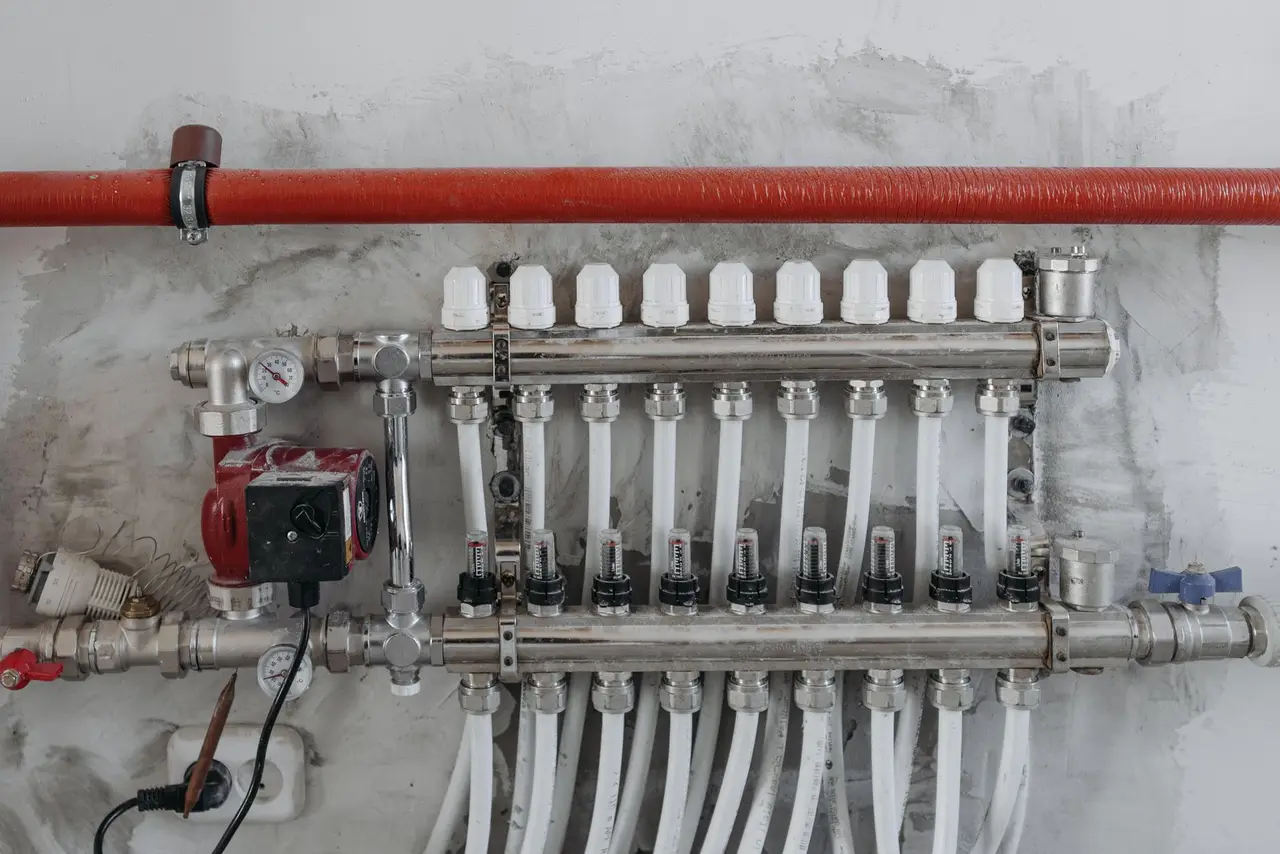
Load calculation
Room-by-room BTU sizing before we quote
Ductless Mini-Split Installation Littleton CO gives you room-by-room control without ductwork, and we size, mount, and charge every system to ACCA Manual J and D standards. Whether you need a single-zone head for a bonus room or a full multi-zone setup, our techs handle line sets, drains, and refrigerant so it runs right the first time.
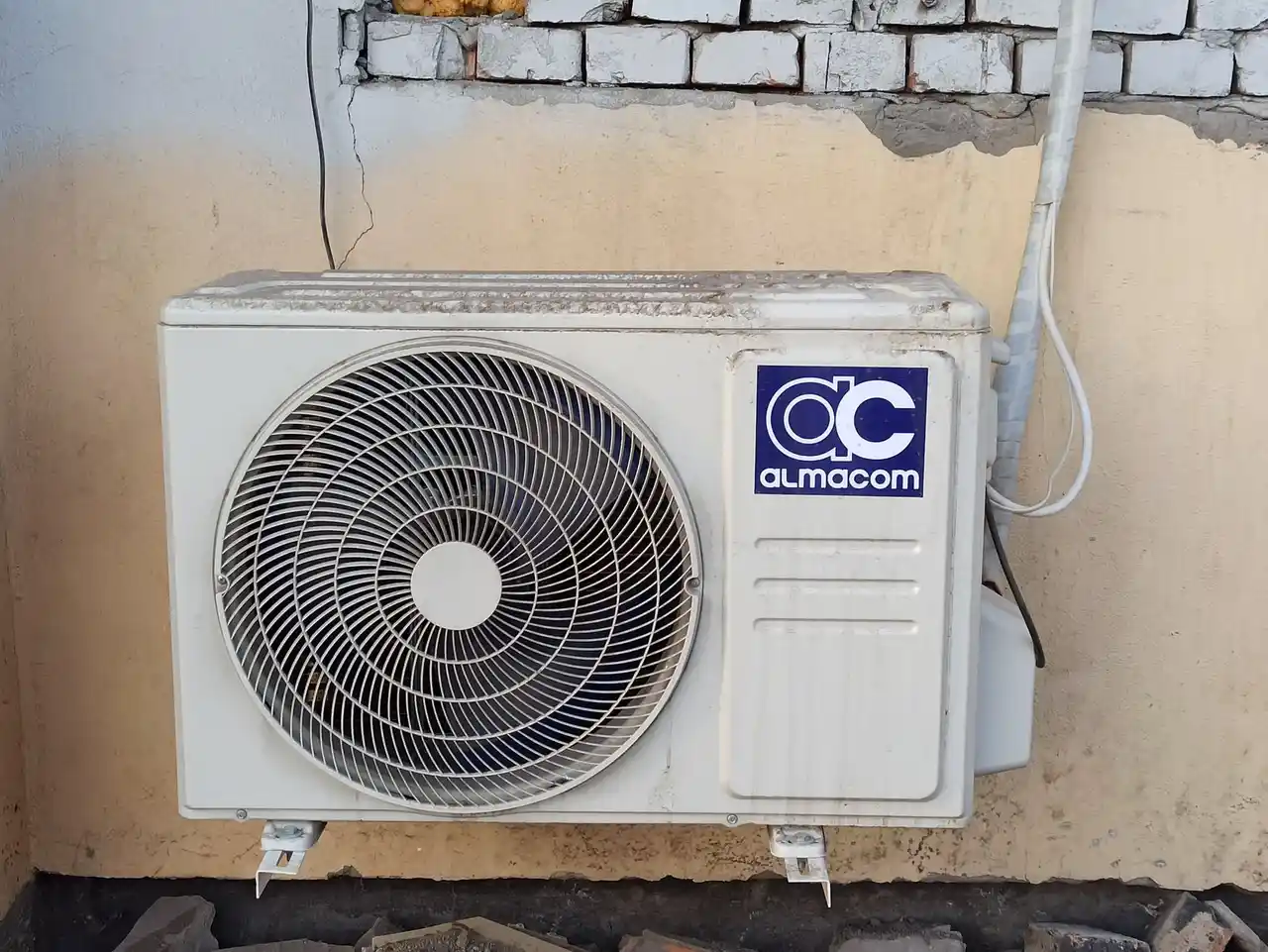
Every install includes the equipment, labor, and commissioning needed to get your system running. We handle the load calculation, line set routing, refrigerant charge, and controls setup. Electrical work and permit fees are quoted separately when they apply, and we tell you that up front so there are no surprises on the invoice.
We install ductless heads for bedrooms, basements, additions, and garages that central systems can't reach. Every zone gets its own thermostat, so you stop heating and cooling rooms nobody is using.
We install ductless systems for small commercial spaces that need zoned comfort without a full ducted buildout. Each space gets independent control, which keeps tenants and staff comfortable without conditioning empty rooms.
Ductless Mini-Split Installation Littleton CO is the process of mounting one outdoor condenser and one or more indoor air handlers, then connecting them with copper line sets, PVC condensate pipe, and control wiring. Each indoor head gets its own thermostat, so a west-facing bedroom can run cool while the basement stays warm. We pull a vacuum with a vacuum pump, weigh in R-410A or R-32 refrigerant, and pressure-test every flare before we call the job done.
Littleton homes run the gamut from 1950s ranches near Downtown Littleton to newer builds out by Roxborough Park, and most of them have at least one room the central system never quite reaches. A garage conversion, a sunroom, or an upstairs addition often needs its own zone. If you have been searching mini-split service near me Littleton, we install and service Mitsubishi Electric and Daikin systems sized for Colorado's temperature swings.
Ductless systems put heating and cooling exactly where the ducts never reached.
We handle the whole job from load calculation to commissioning, and you get a walkthrough of every zone before we pack up.
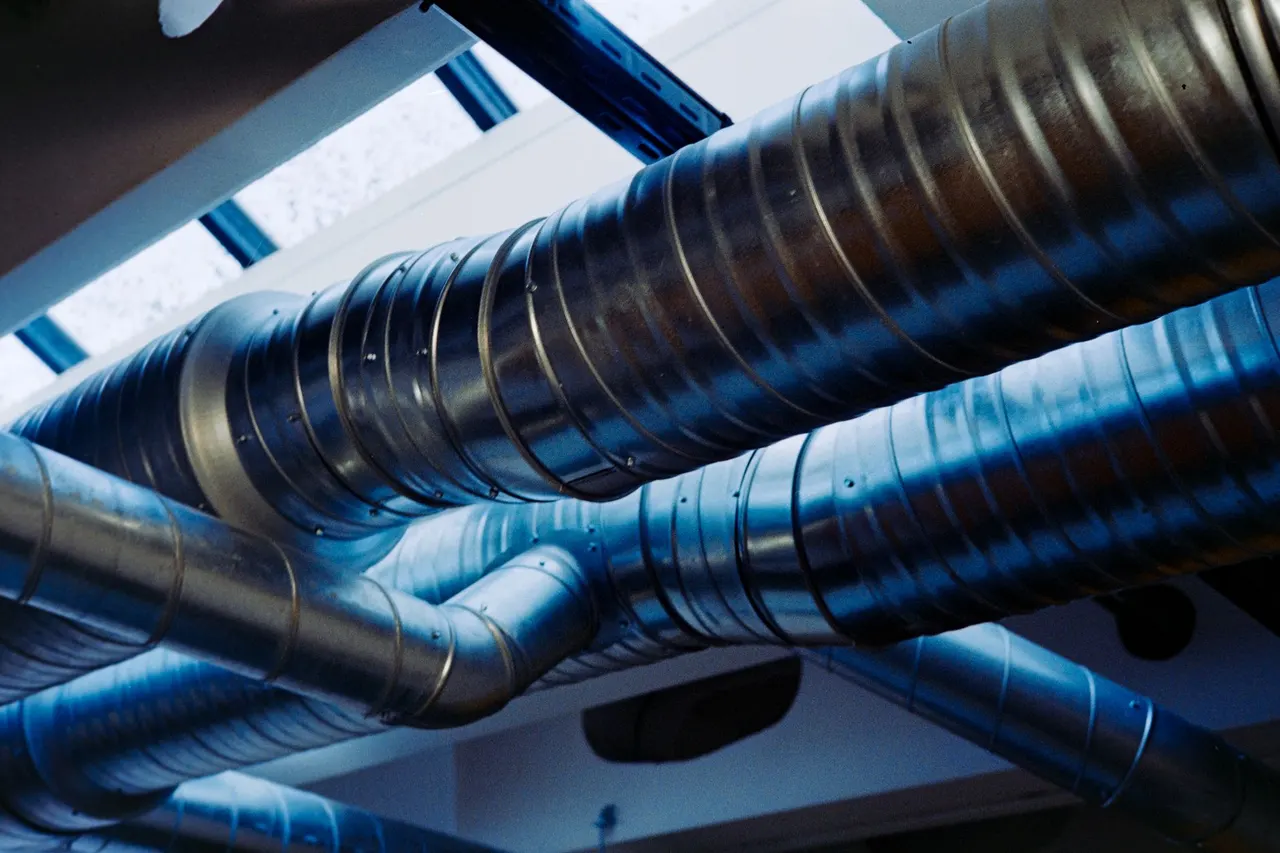
We measure square footage, window orientation, insulation, and ceiling height room by room, then run an ACCA Manual J load calculation. That tells us exactly how many BTUs each zone needs, so you don't end up with an oversized head that short cycles or an undersized one that never catches up.
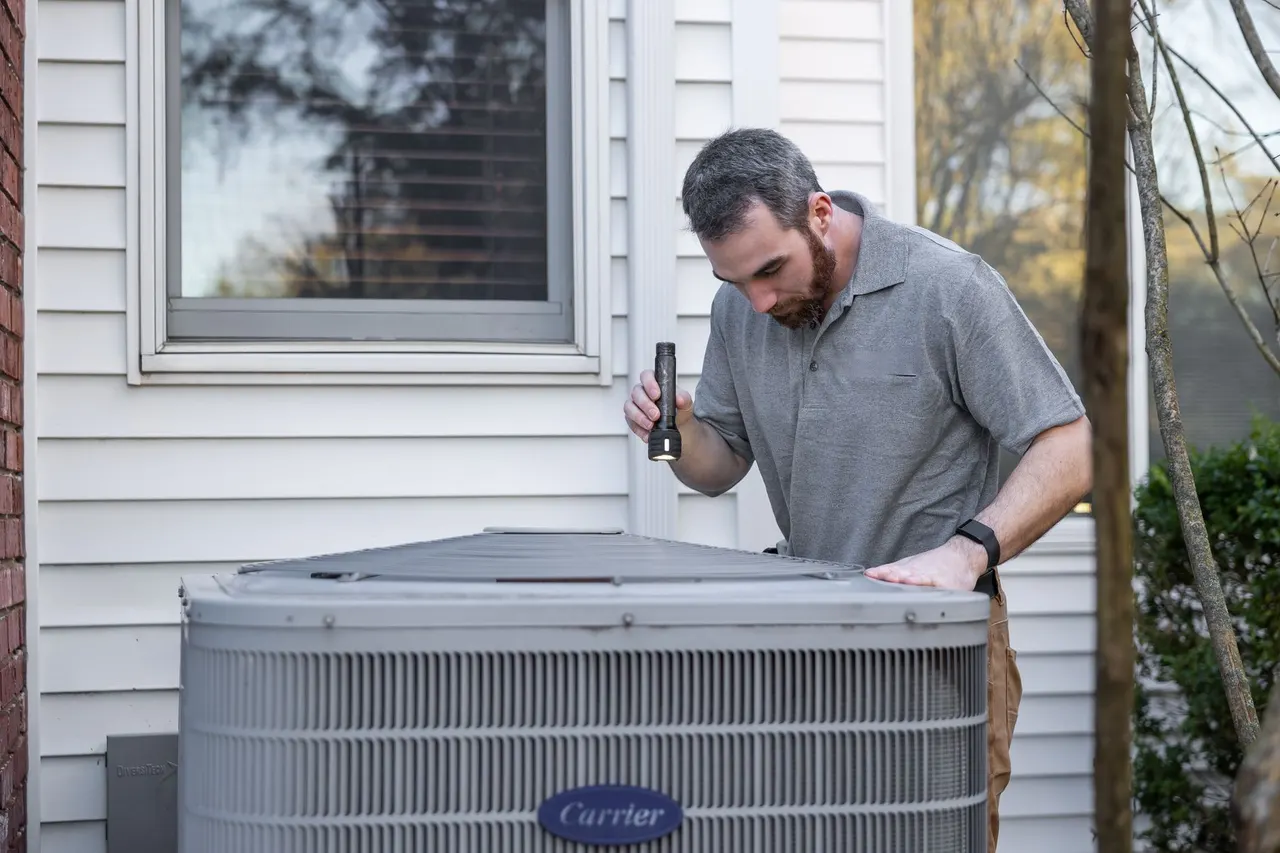
We pick indoor head locations for airflow and aesthetics, then route copper line sets and PVC condensate pipe through the least invasive path. In older Littleton homes we often run lines through closets or soffits to avoid opening finished walls. You see the plan before we cut anything.
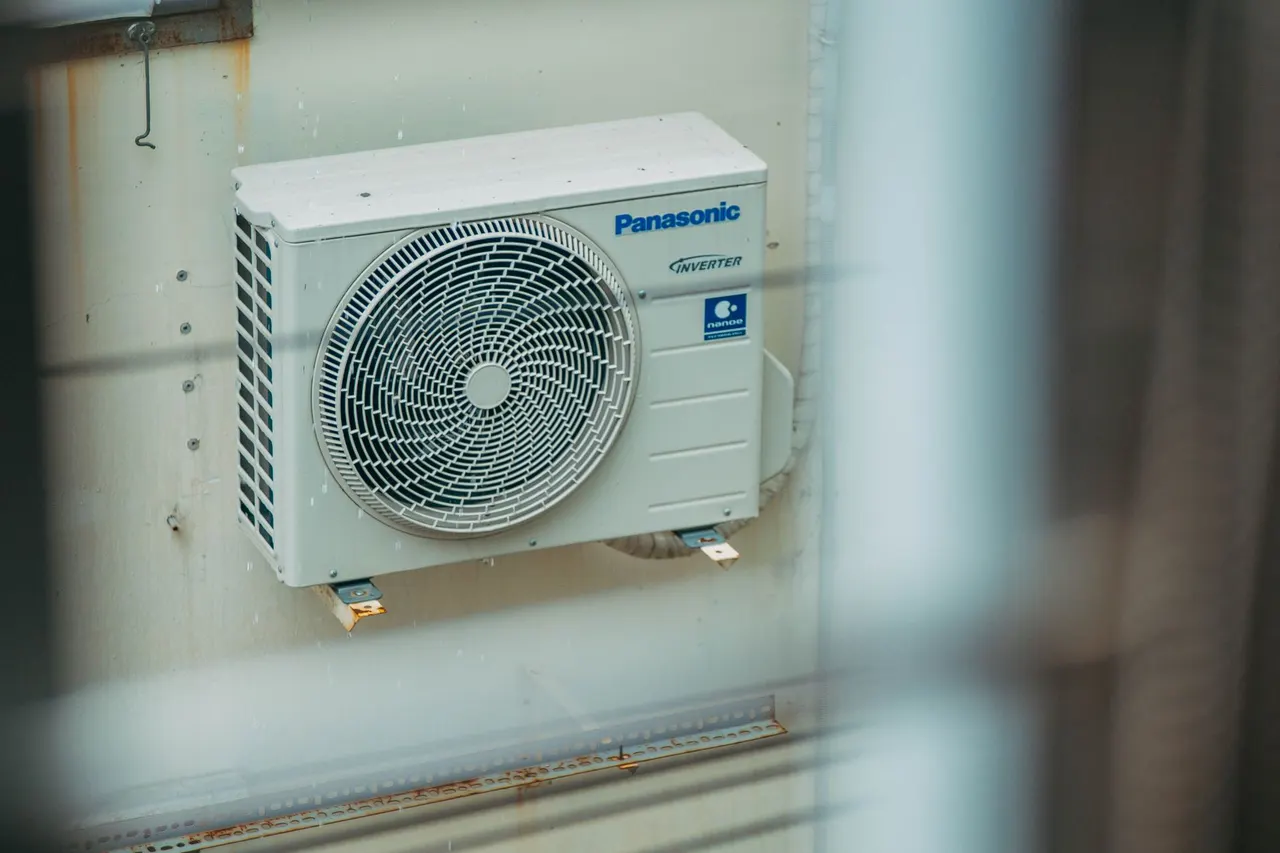
We mount the outdoor condenser on a pad or wall bracket rated for snow loads, then set each indoor head on its plate. Flares get cut with a tube cutter and flaring tool, torqued to spec, and every connection gets a leak detector pass before we move on.
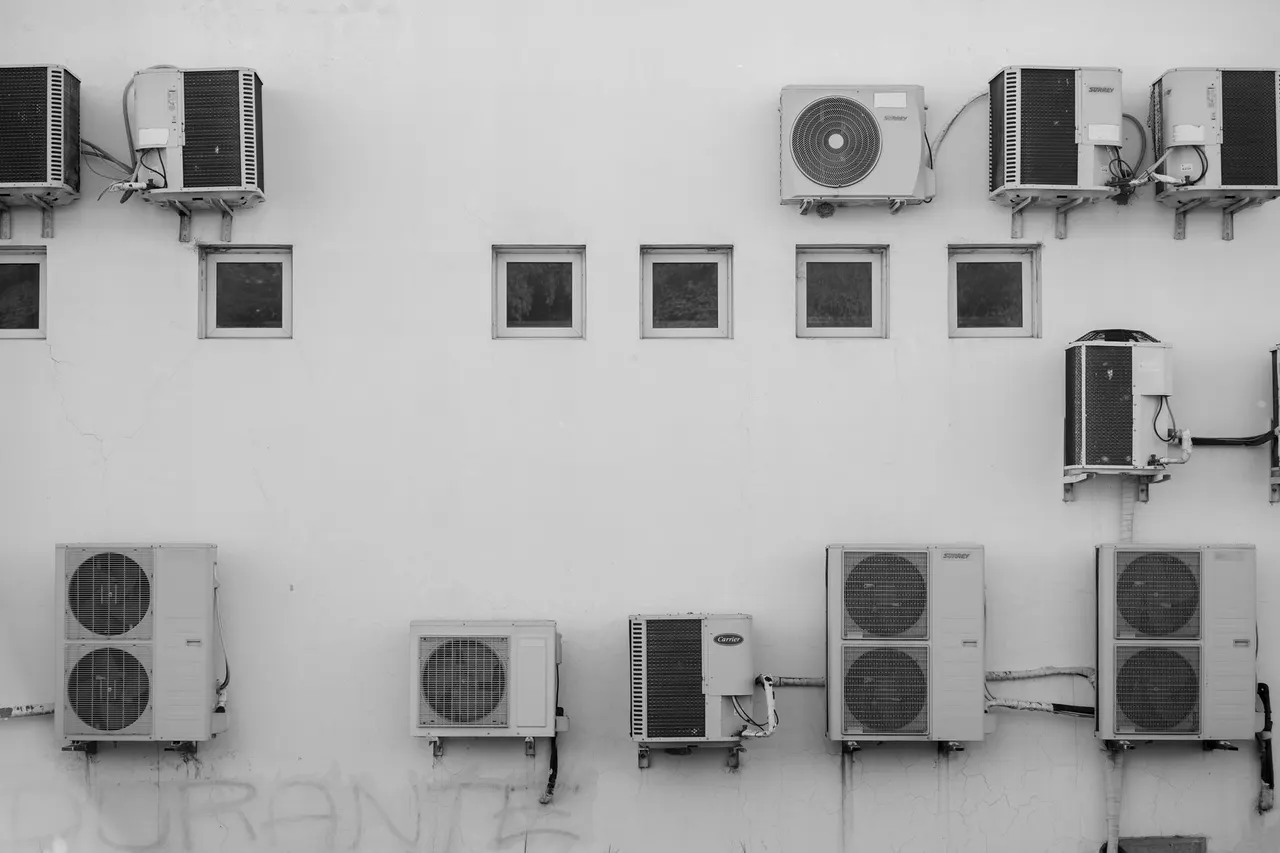
A vacuum pump pulls the system down to 500 microns and holds it there, which proves there's no moisture or leak in the lines. Then we weigh in the exact refrigerant charge by nameplate, whether that's R-410A or R-32, and verify pressures with a manifold gauge set.
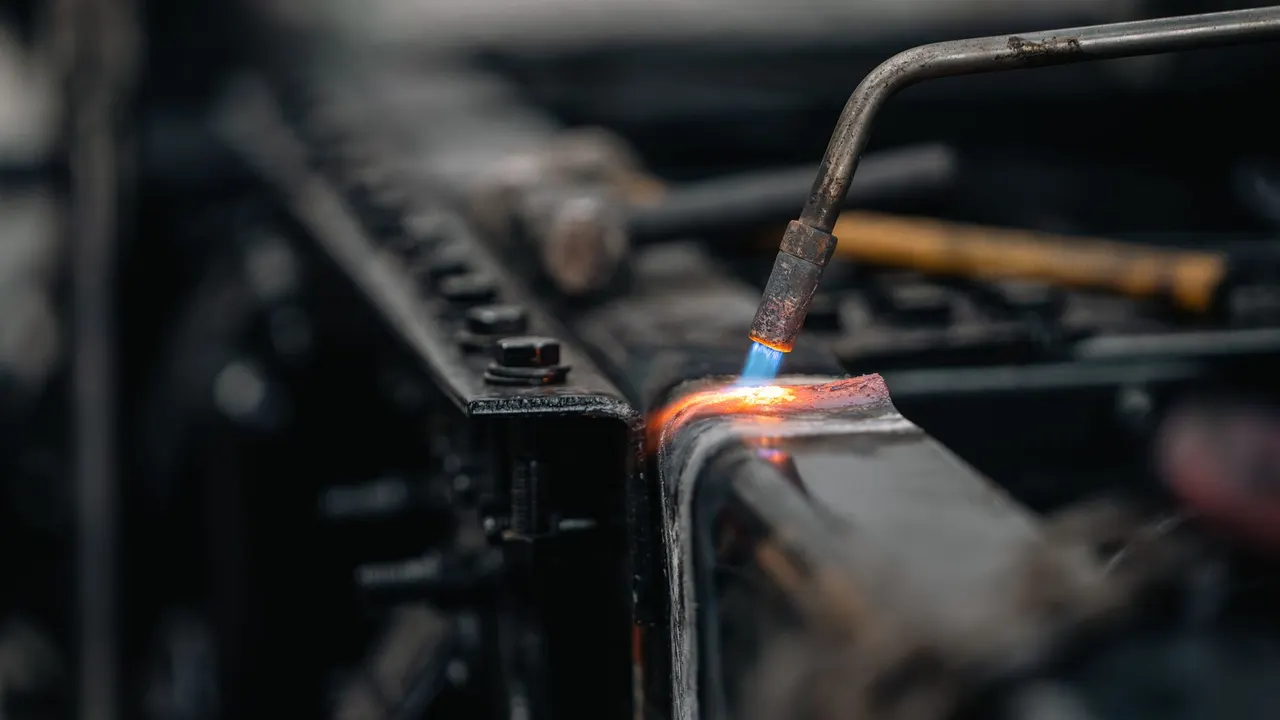
We power up each zone, check supply air temperature split with an anemometer, confirm condensate drains freely, and set up the thermostat or app controls. Then we walk you through filter cleaning, mode switching, and what normal operation sounds like. Most single-zone installs take one day.
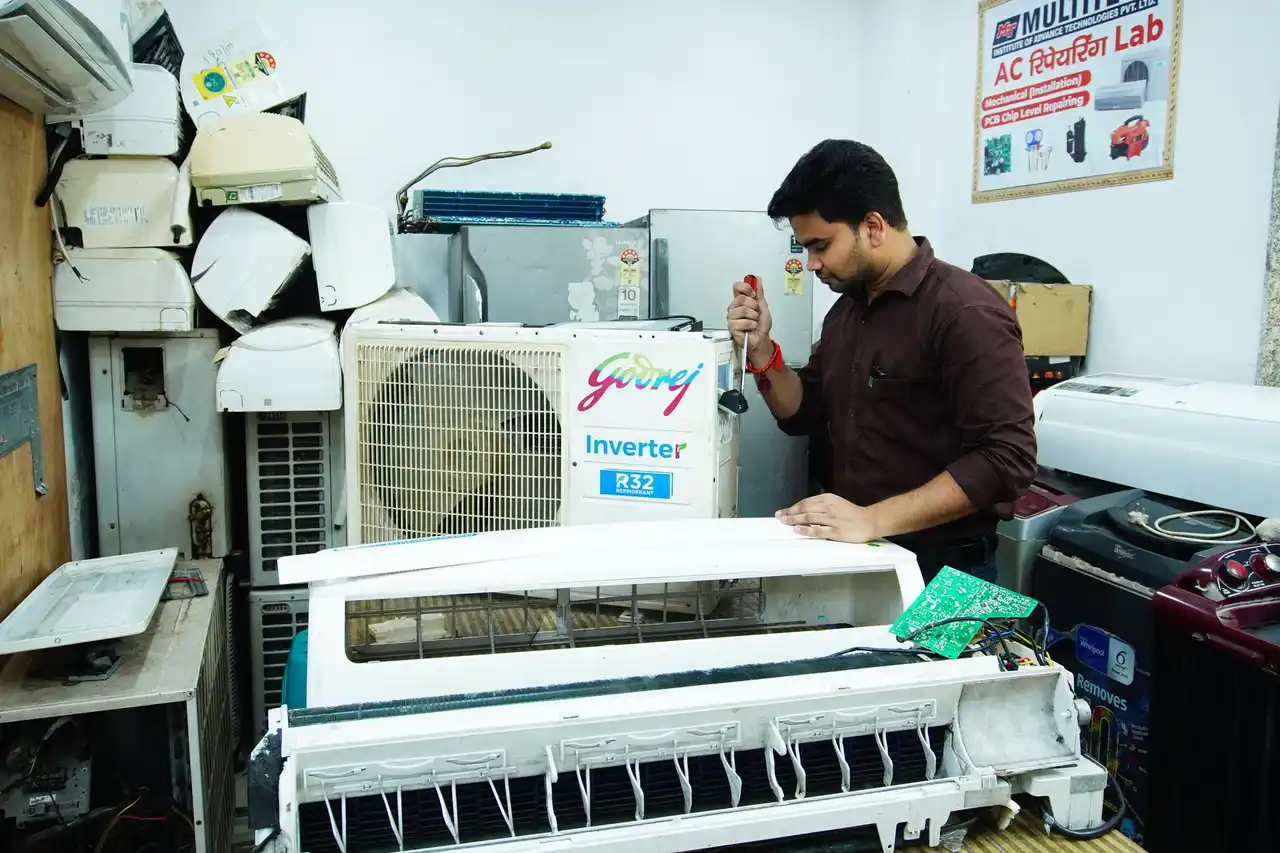
Used to read high and low side pressures during charging and diagnostics. We verify the system is running at the pressures the manufacturer specifies, not just "in the ballpark."
Pulls the line set and indoor coil down to 500 microns before charging. Holding that vacuum proves there's no moisture or leak in the system, which protects the compressor long-term.

Recovers refrigerant safely during repairs or system changes, in compliance with EPA Section 608 rules. Nothing gets vented to atmosphere on our jobs.
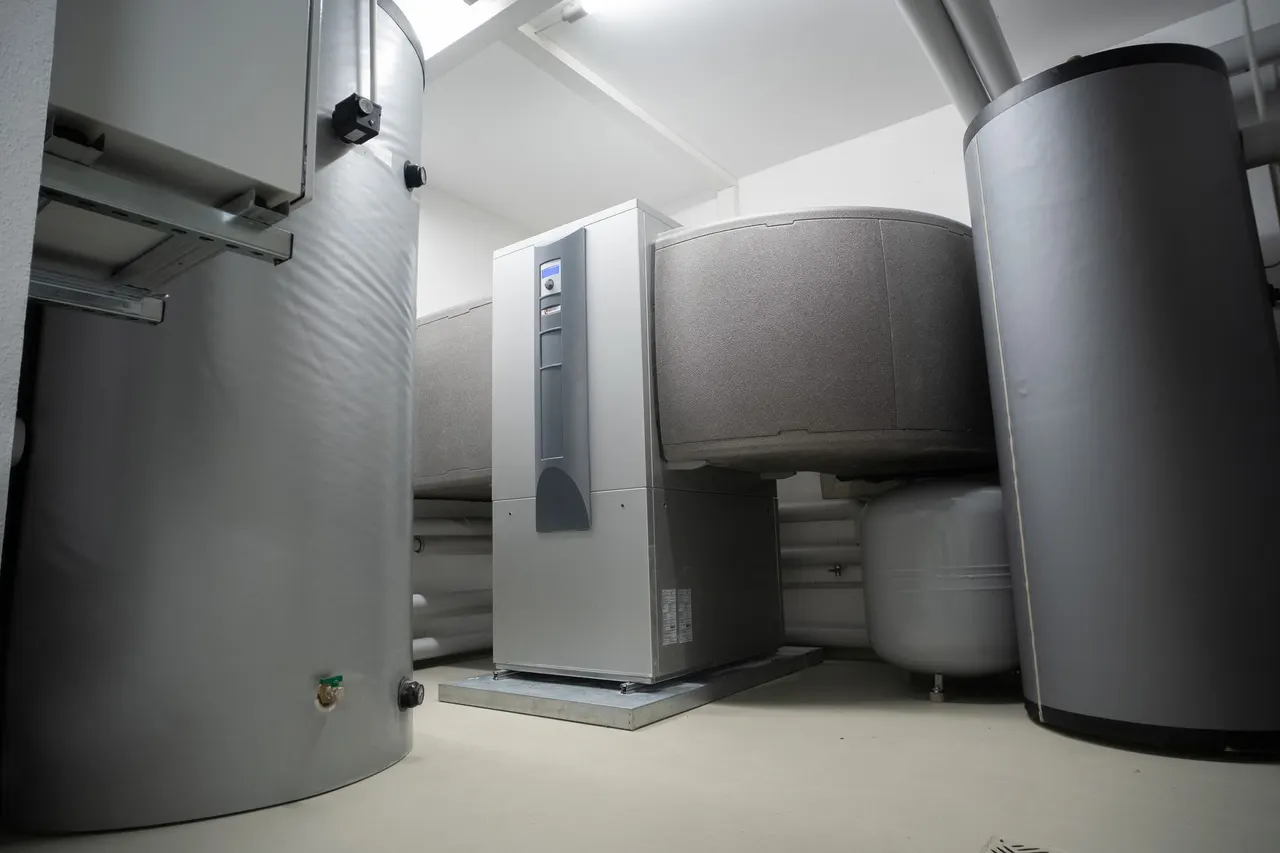
Sniffs out refrigerant leaks at flare connections, brazed joints, and coil ends. Finding the leak first means we fix the actual problem instead of just topping off the charge.
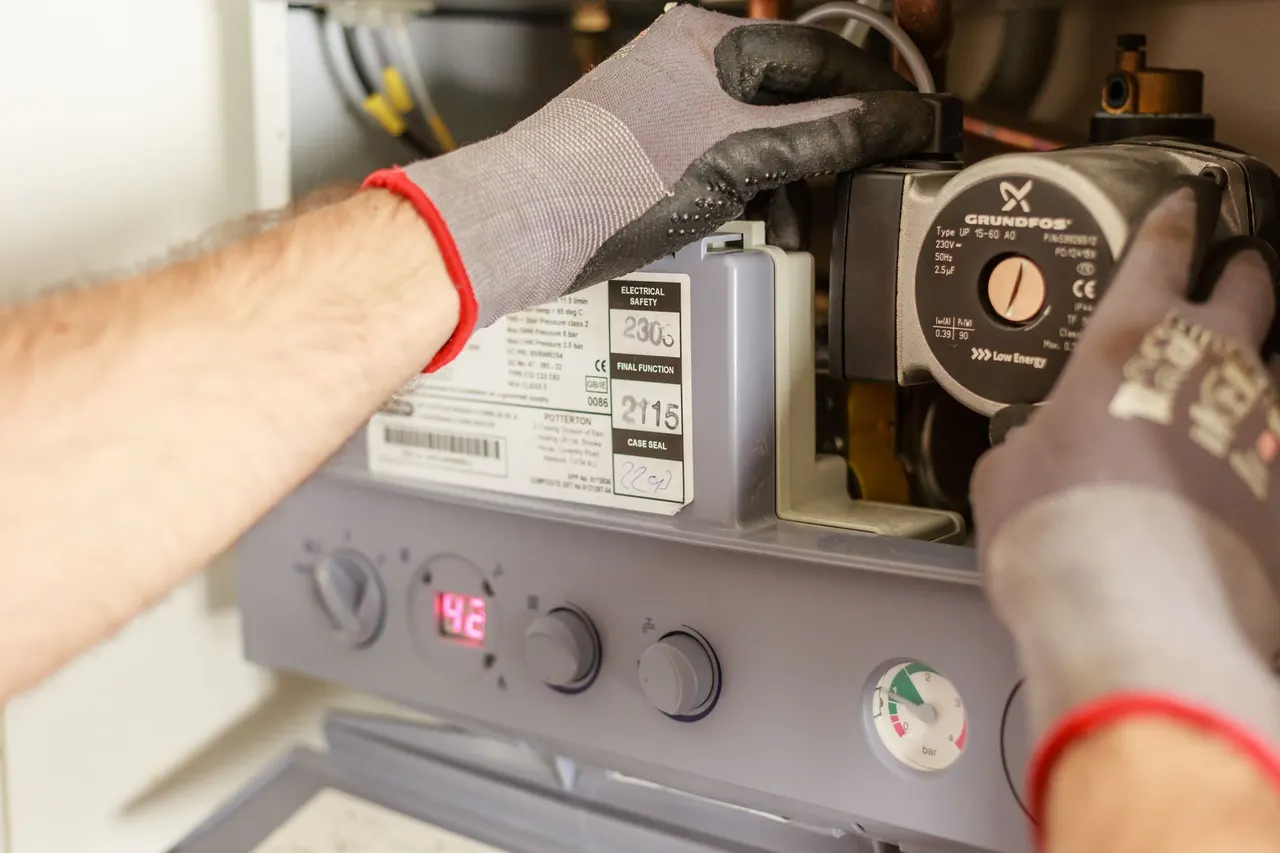
Cuts and flares copper line sets to an exact 45-degree seat. A clean flare is the difference between a connection that holds for years and one that leaks by next season.
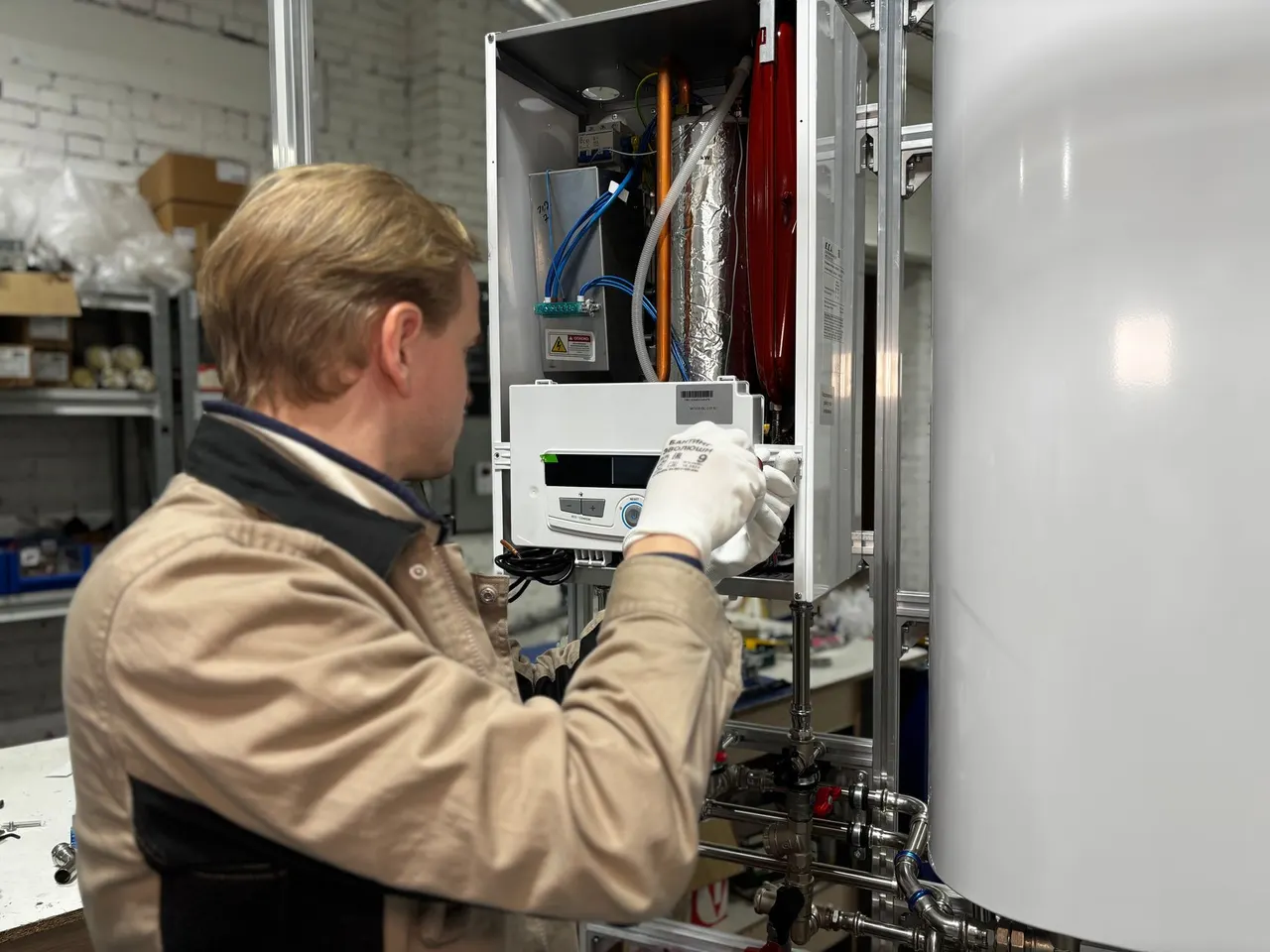
Measures supply air velocity at each indoor head during commissioning. We confirm airflow matches the design spec before we call the job complete.
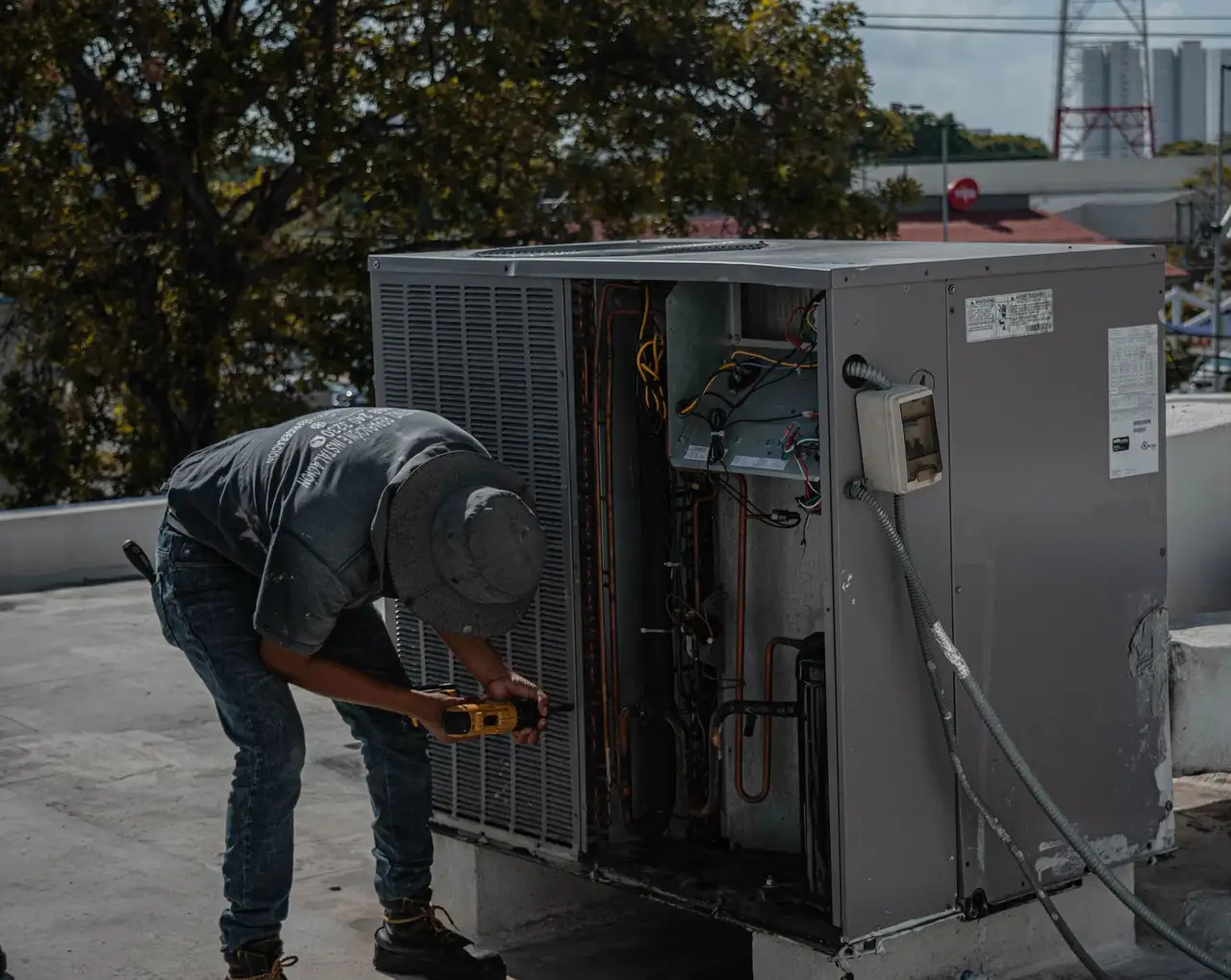
Tests capacitors, control boards, and wiring during diagnostics. Most no-heat and no-cool calls get narrowed down with a multimeter before we touch any parts.
We size every zone based on measured square footage, window area, insulation values, and orientation. This is the industry standard for a reason: it prevents the oversized systems that short cycle and the undersized ones that never catch up.
We install a single-zone ductless head sized to the basement square footage, with the outdoor unit mounted on a wall bracket above snow line. The line set runs through an existing soffit to avoid cutting finished ceiling. The basement holds 70 degrees year-round, and the homeowner stops hauling a space heater up and down the stairs every fall.
We run a Manual J load calculation on each bedroom, then install a three-zone multi-split with individual heads. The outdoor condenser sits on a pad beside the house, and each room gets its own thermostat. All three bedrooms hold their setpoint independently, and the central AC runs less because it's no longer fighting the upstairs load.
We install a single-zone ductless system with a cold-climate heat pump rated for below-freezing operation. Line sets run through an exterior chase, and we seal every penetration against drafts and insects. The office stays comfortable through winter and summer, and the homeowner avoids the cost of running ductwork from the main house.
We install a single-zone mini-split with its own thermostat and app controls, so the tenant can set their own schedule. The outdoor unit mounts on a bracket to save ground space. The tenant controls their own comfort, and the owner stops paying to condition an empty unit when nobody's renting.
Littleton sits at about 5,400 feet, and that altitude changes how HVAC equipment performs. Air is thinner, so systems move less heat per cubic foot of air, and we account for that in our load calculations. Our climate swings hard: a 70-degree October afternoon can turn into a 20-degree night, and January lows routinely hit the single digits. Cold-climate heat pumps handle that range, but only if they're sized and charged correctly. Building stock matters too. Downtown Littleton and Columbine have a lot of 1950s and 1960s ranches with no ductwork in additions, while Highlands Ranch and Centennial have newer homes where one upstairs zone runs hot. We see both every week. If you're comparing ductless AC installation Littleton CO against adding ductwork, we'll run the numbers on both and tell you which makes more sense for your house.
A Highlands Ranch family ran their central AC nonstop in July, and the three upstairs bedrooms still sat at 78 to 80 degrees. The kids were sleeping in the basement, and summer electric bills were climbing every month.
We installed a three-zone multi-split with individual heads in each bedroom. All three rooms now hold 70 degrees on their own schedules, and the central AC runs about 40 percent less because it's not fighting the upstairs load.
Clean the washable filters every four to six weeks during cooling season. We check refrigerant pressures and coil condition at the annual tune-up.
A homeowner near Roxborough Park converted a detached garage into an office but had no heating or cooling. A space heater handled winter, but summer afternoons pushed the space past 90 degrees, making it unusable for half the year.
We installed a single-zone cold-climate ductless system with the condenser on a wall bracket above snow line. The office now holds 70 degrees in January and 72 in July, and the homeowner works out there year-round.
Keep the outdoor unit clear of snow and leaf debris. We inspect the drain line and check the refrigerant charge each fall before heating season.
A Downtown Littleton homeowner called about water dripping down the wall from their mini-split head. The drain line had clogged with dust and debris, and the pan was overflowing onto the drywall below.
We cleared the PVC condensate pipe, corrected the drain slope, and sealed the wall penetration properly. The system now drains cleanly, and the homeowner avoided the drywall repair that was about to become necessary.
Pour a cup of water through the drain pan every few months to confirm it flows freely. We flush the line at the annual service visit.
Most of our ductless calls start with a room that's never comfortable, no matter what the thermostat says. Here's what we fix.
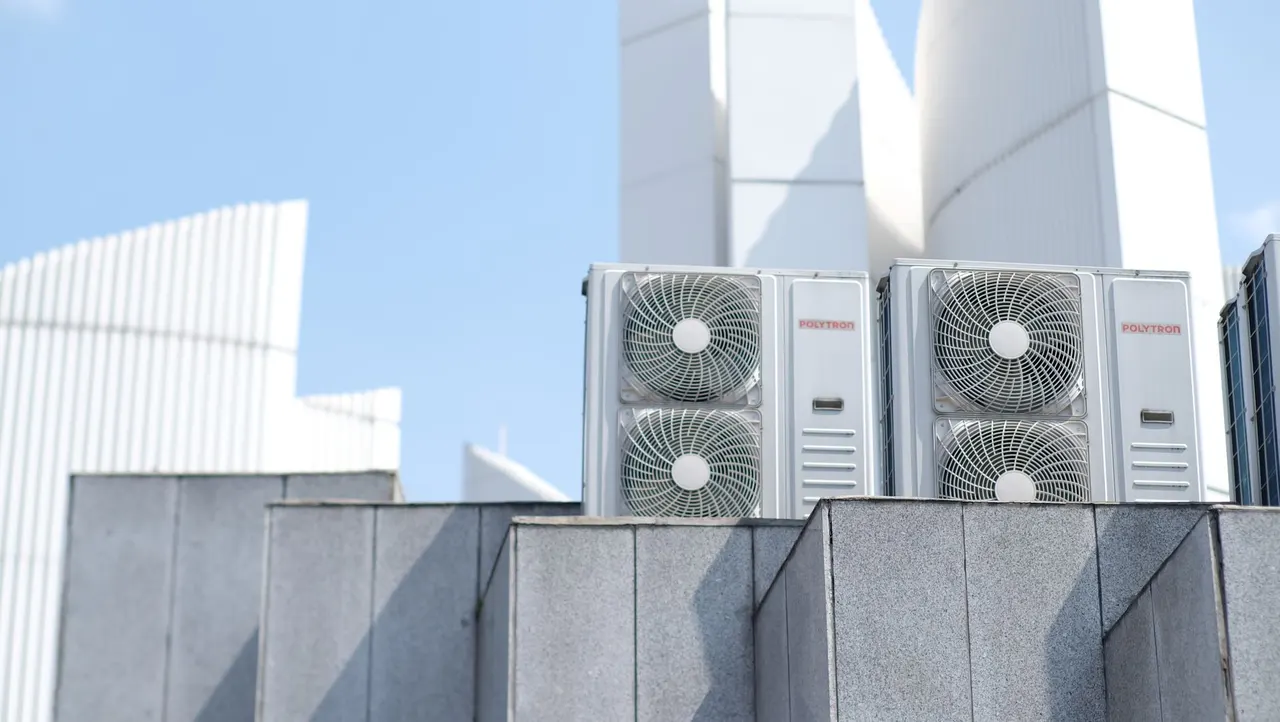
We install one or two ductless heads sized to the upstairs load, giving those rooms their own thermostat. The central system stays on its schedule, and the bedrooms hold their setpoint independently. Sleep suffers, and you end up running the central AC harder to compensate, which drives up summer bills and wears out the compressor faster.
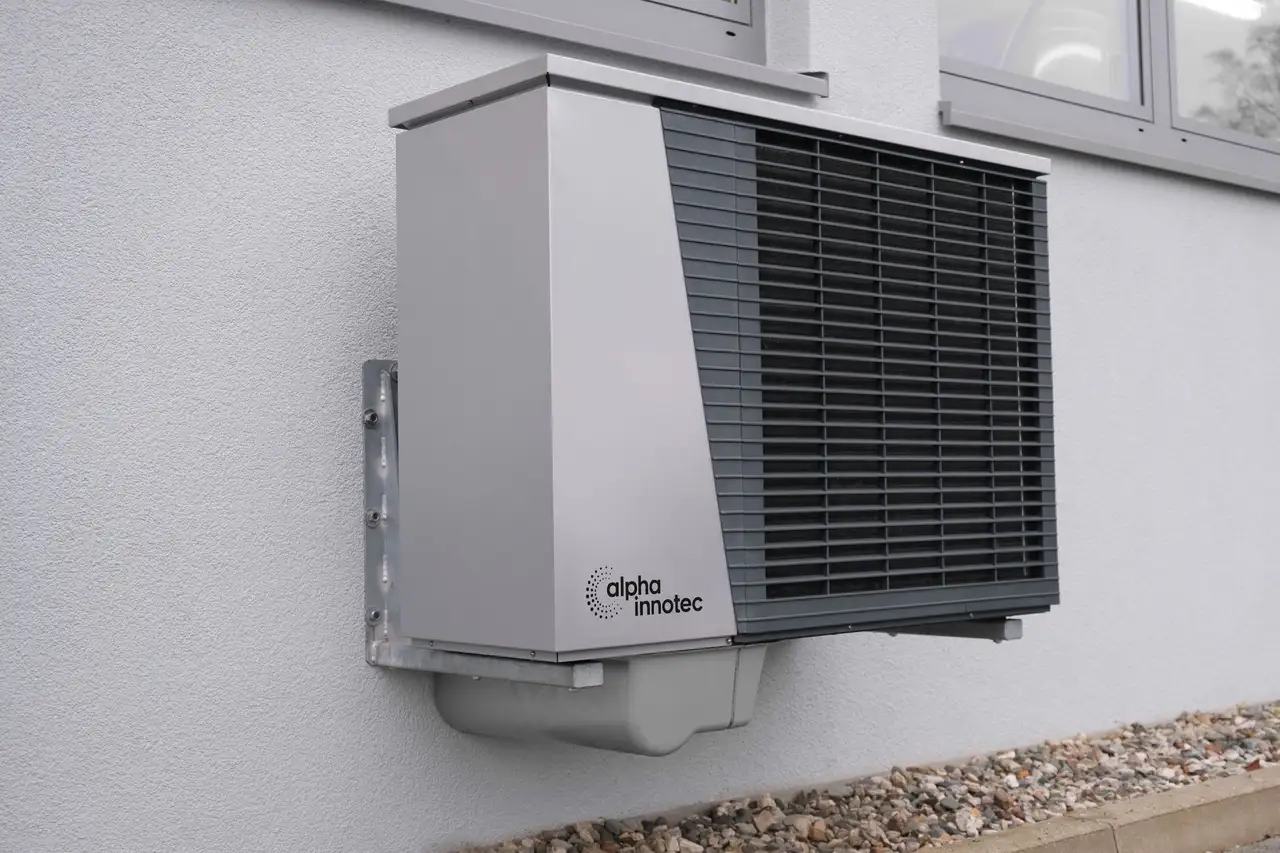
We diagnose with a manifold gauge set and multimeter, find the actual cause, and repair it. Most no-cool calls trace back to a refrigerant leak or a clogged filter, both of which we fix on the first visit. A ductless head that blows warm air usually means low refrigerant, a dirty evaporator coil, or a failed capacitor. Ignoring it leads to compressor damage and a much bigger repair bill.
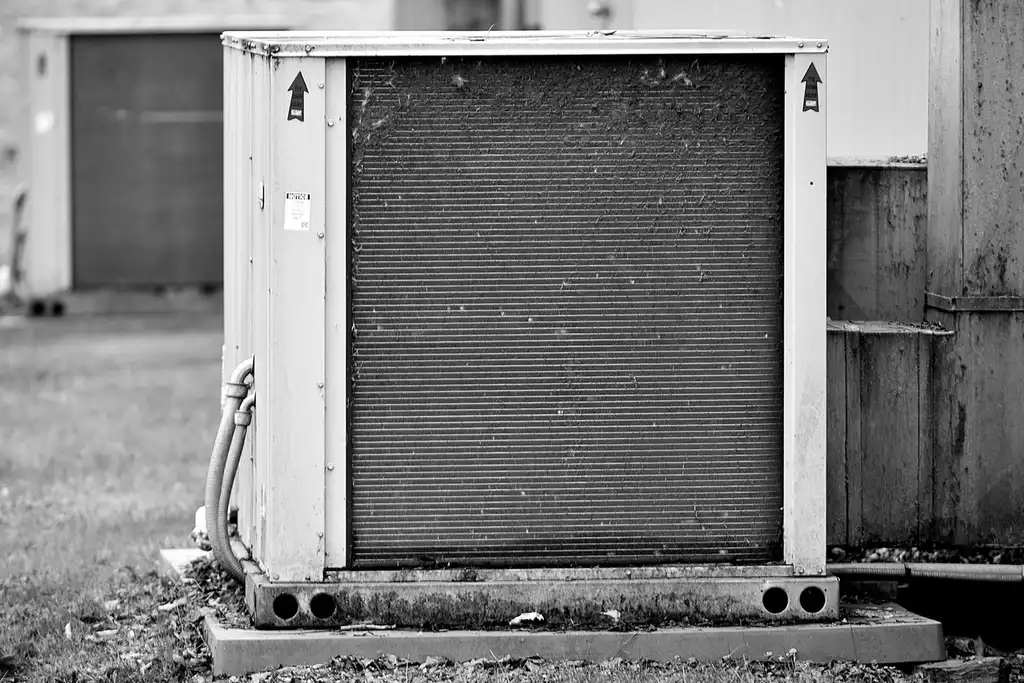
We clear the PVC condensate pipe, check the drain pan slope, and verify the line has proper fall. If the install was done poorly the first time, we correct the routing so it drains the way it should. A clogged condensate line drips down the wall, stains drywall, and can short out the control board. In humid months, the drain pan fills faster than you'd expect.
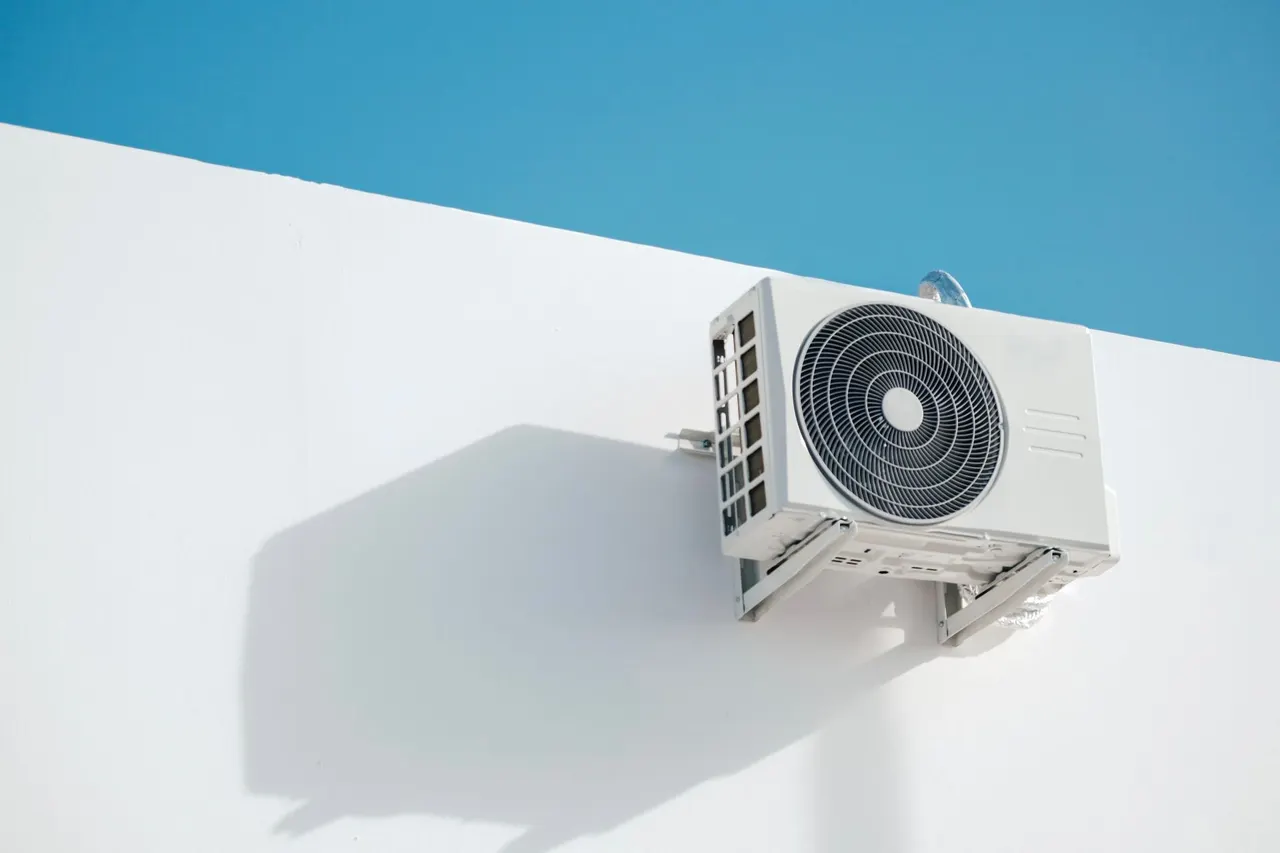
A single-zone ductless system handles both heating and cooling for that space year-round. We run the line set through the least visible path and mount the outdoor unit where it won't be in the way. Window units are loud, inefficient, and block your view. Space heaters spike your electric bill and don't cool anything in summer.
Each indoor head runs its own setpoint, so you stop heating rooms nobody uses. A multi-zone mini-split installation Littleton CO setup lets you cool the upstairs bedroom at 68 while the main floor sits at 72, and you only pay to condition the zones you actually occupy.
Duct leakage can waste a big chunk of the air you paid to cool. Ductless systems skip the ductwork entirely, delivering air straight into the room. That means no flex duct runs through a 140-degree attic and no sheet metal ductwork joints leaking into crawlspaces.
A ductless heat pump installation Littleton CO gives you both modes from the same equipment. Modern cold-climate heads keep producing heat well below freezing, which matters when January lows in Arapahoe County drop into the teens and single digits.
Indoor heads run in the low 20s to low 30s decibels, quieter than a refrigerator. Washable air filters catch dust before it circulates, and there's no ductwork collecting debris over the years. For bedrooms and home offices, that quiet matters more than any spec sheet number.
Clear records you can keep and share.
Room-by-room BTU sizing before we quote
Routing mapped out before we cut anything
Airflow and charge verified at startup
Ductless systems shine when you need zoned comfort without ductwork. They also need proper sizing and a clean install to perform the way the spec sheet promises.
An oversized head short cycles and leaves rooms clammy. We run a Manual J calculation so each zone gets the right capacity.
Where the copper runs affects both looks and performance. We plan the path before we cut, so nothing shows that shouldn't.
Standard heat pumps lose capacity in deep cold. Cold-climate models hold output well below freezing, which matters for Colorado winters.
Outside these areas? Call and ask, we may still cover you. 1234567890
Most single-zone installs in Littleton run $3,500 to $6,000 in 2026, and multi-zone systems with three or four heads typically land between $8,000 and $16,000. Line set length, condenser location, electrical work, and whether we're mounting on brick or siding all move the number. We quote the full job up front after a walkthrough.
Yes, especially for homes with rooms central air can't reach. Modern cold-climate heat pumps from Mitsubishi Electric and Daikin hold capacity well below freezing, which covers most of the Front Range winter. The bigger factor is sizing: a proper Manual J load calculation matters more here than in milder climates because of our temperature swings.
The most common causes are a clogged filter, a refrigerant leak, a failed reversing valve, or the outdoor unit locked out in defrost. If your mini-split not heating repair Littleton call comes in during a cold snap, we check refrigerant pressures first, then the defrost board and sensors. Most no-heat calls are fixed same day.
It depends on how many rooms need independent control. A single bonus room or garage usually takes one head. A whole-home setup with three bedrooms, a living area, and a basement often runs four to six zones. We size each head to its room load, so you're not paying for capacity you'll never use.
We'll walk your home, run the load calculation, and give you a real number for the zones you need. No pressure, no vague estimates. Call Littleton Heating & Cooling and let's get your rooms comfortable.
Call us at 1234567890 or email info@littletonheating&cooling.com to book a service call. We answer phones Monday through Friday, 8 a.m. to 6 p.m., and run emergency dispatch seven days a week. Most calls get a same-day window if you reach us before noon.