Written diagnosis
What failed and why, in plain language
When your furnace quits on a cold Front Range night, Furnace Repair Littleton CO from our team gets the heat back on. We diagnose gas furnace repair in Littleton, Colorado the same day you call, stock the igniters, thermocouples, and blower motors your system needs, and explain the fix before we start. No heat, no waiting.
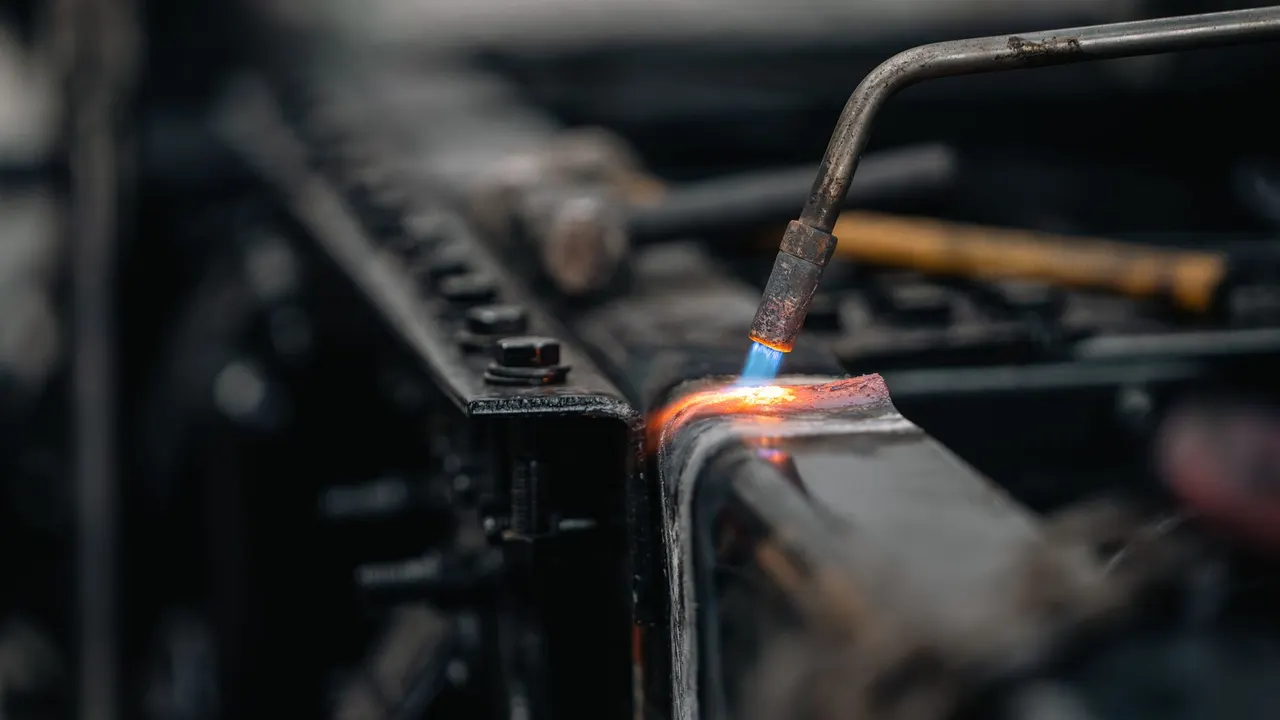
Every repair call includes a full diagnostic, combustion safety check, and a flat price before we start. Parts are billed at the quoted rate, and we only recommend what your system actually needs. If we find something outside the repair, we tell you and let you decide.
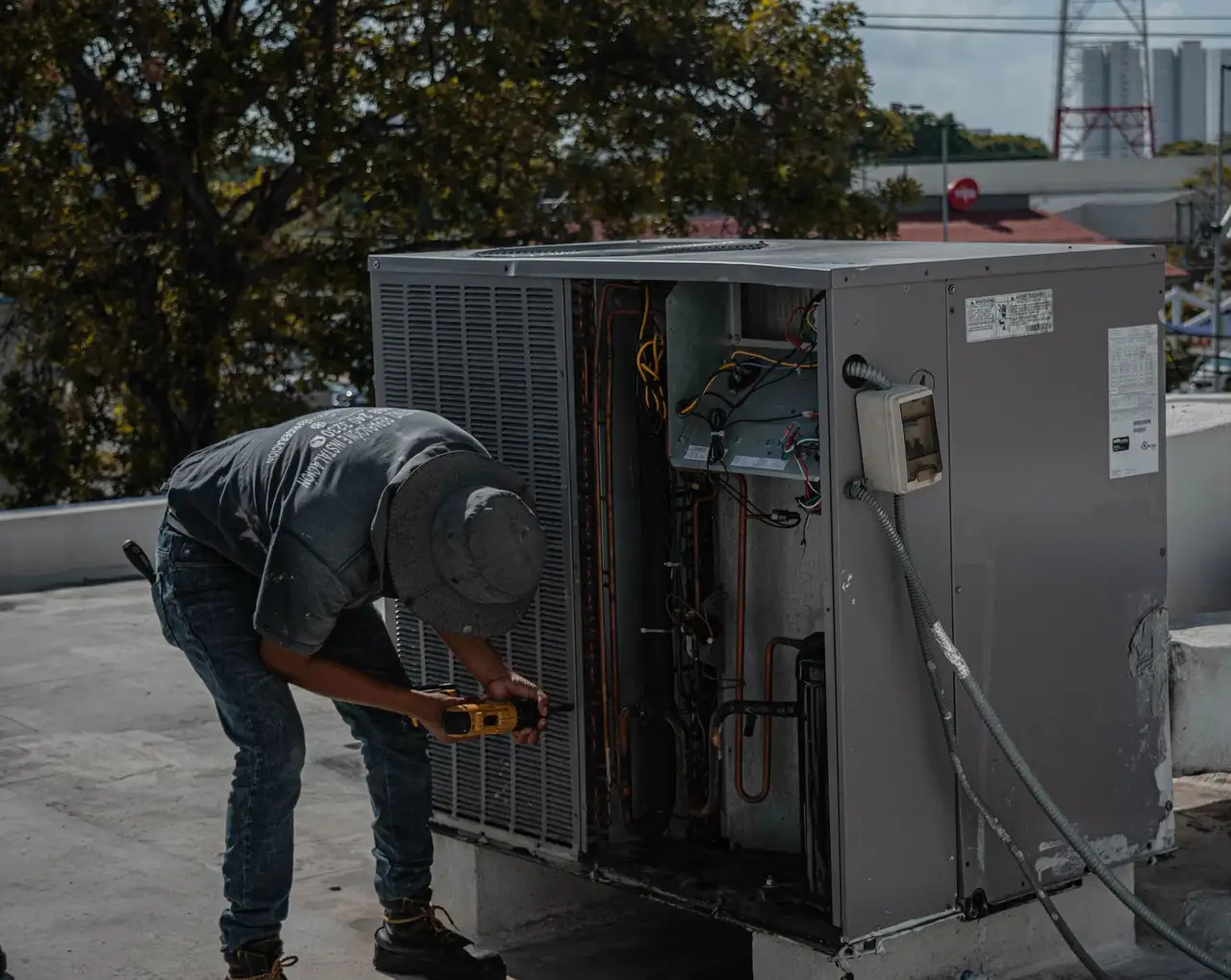
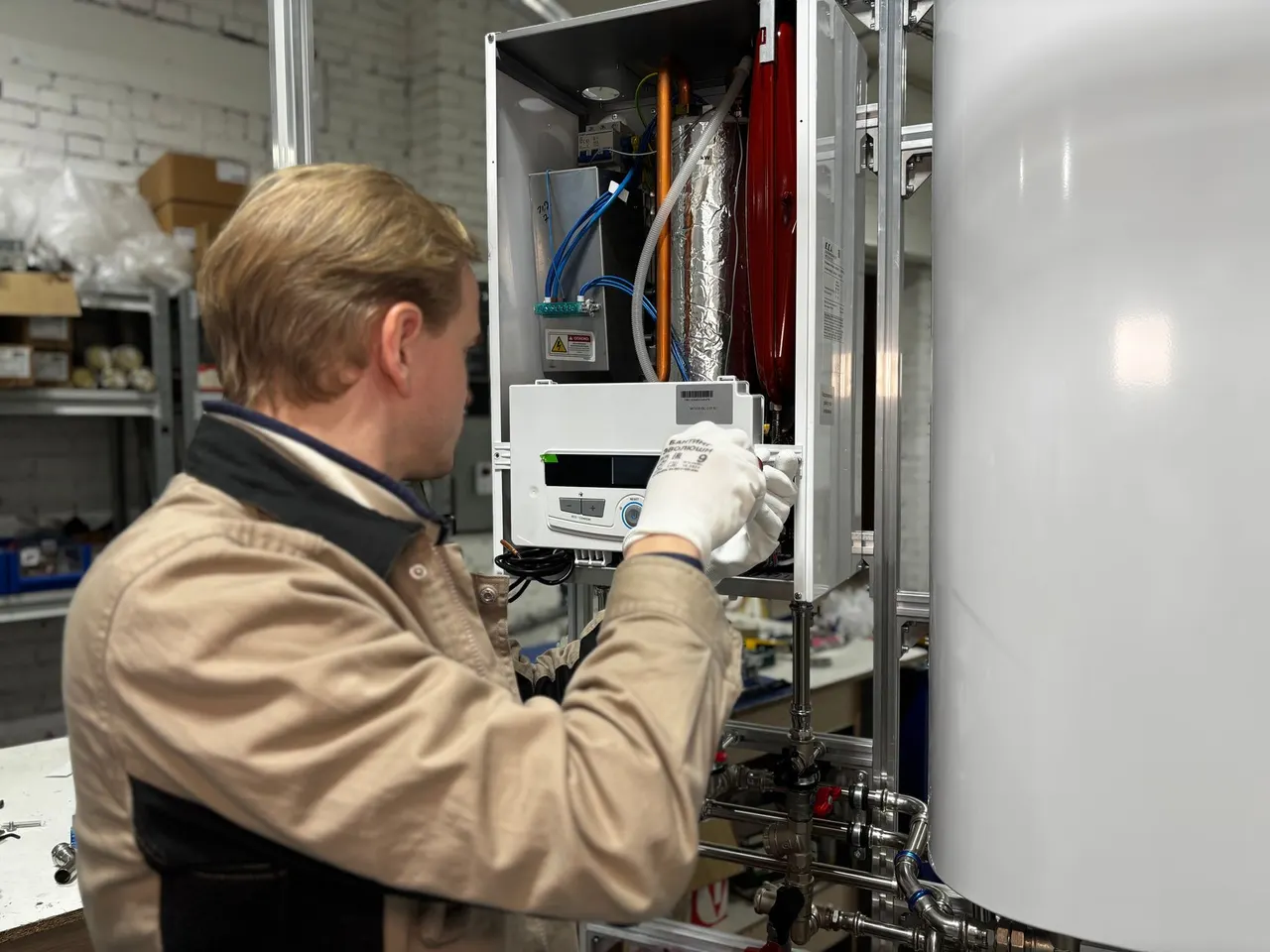
We repair gas and electric furnaces in houses across Littleton, from older bungalows to newer builds. Every visit includes a combustion check and a flat price before we start.
We keep rooftop and commercial heating equipment running for small businesses and property managers. We schedule around your hours so tenants and customers stay comfortable.
Furnace Repair Littleton CO covers everything between a thermostat that calls for heat and the warm air that reaches your registers. We test the ignition sequence, inspect the heat exchanger for cracks, check the gas valve, measure flame sensor microamps, and verify the blower motor and capacitor under load. Most no-heat calls trace back to a dirty flame sensor, a failed igniter, or a clogged air filter that tripped the high-limit switch. We find the actual failure, not just the symptom.
Littleton homes sit at 5,400 feet, where thinner air changes combustion and furnaces run harder from October through April. In older Ken Caryl and Downtown Littleton houses, we often find undersized returns, duct leakage, and 20-year-old units short cycling. If your furnace won't turn on Littleton CO, or you're seeing a furnace blowing cold air repair Littleton homeowners call about every January, we trace it to the source and fix it before the next cold snap.
We test the whole system, fix the failed part, and confirm the heat holds.
No mystery, no runaround. Here is exactly how a furnace repair visit goes from the moment you call until the heat is back on.
We ask what the furnace is doing, whether you smell gas, and what your thermostat reads. That tells us which parts to load and whether this is a same-day repair or an after-hours emergency. You get a realistic arrival window, not a four-hour block.
The technician pulls the fault codes, tests the igniter and flame sensor with a multimeter, checks gas pressure with a manifold gauge set, and inspects the heat exchanger. This takes 30 to 45 minutes and pinpoints the failure instead of guessing at parts.
You get the diagnosis in plain language plus a flat repair price. If the furnace is 18 years old and the repair is half the cost of a new unit, we say so. You decide, and we never start work without your go-ahead.
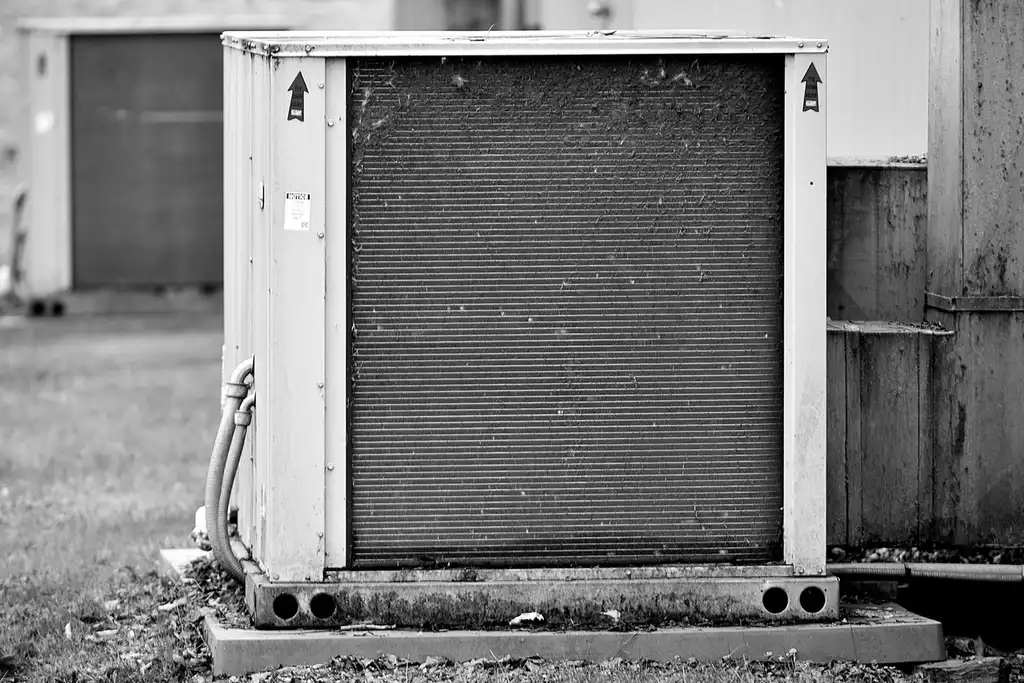
Most repairs take one to three hours. We replace the failed component, seal the cabinet, verify gas pressure and flame signal, and run the furnace through two full heating cycles to confirm it holds. Drop cloths go down before we open anything.
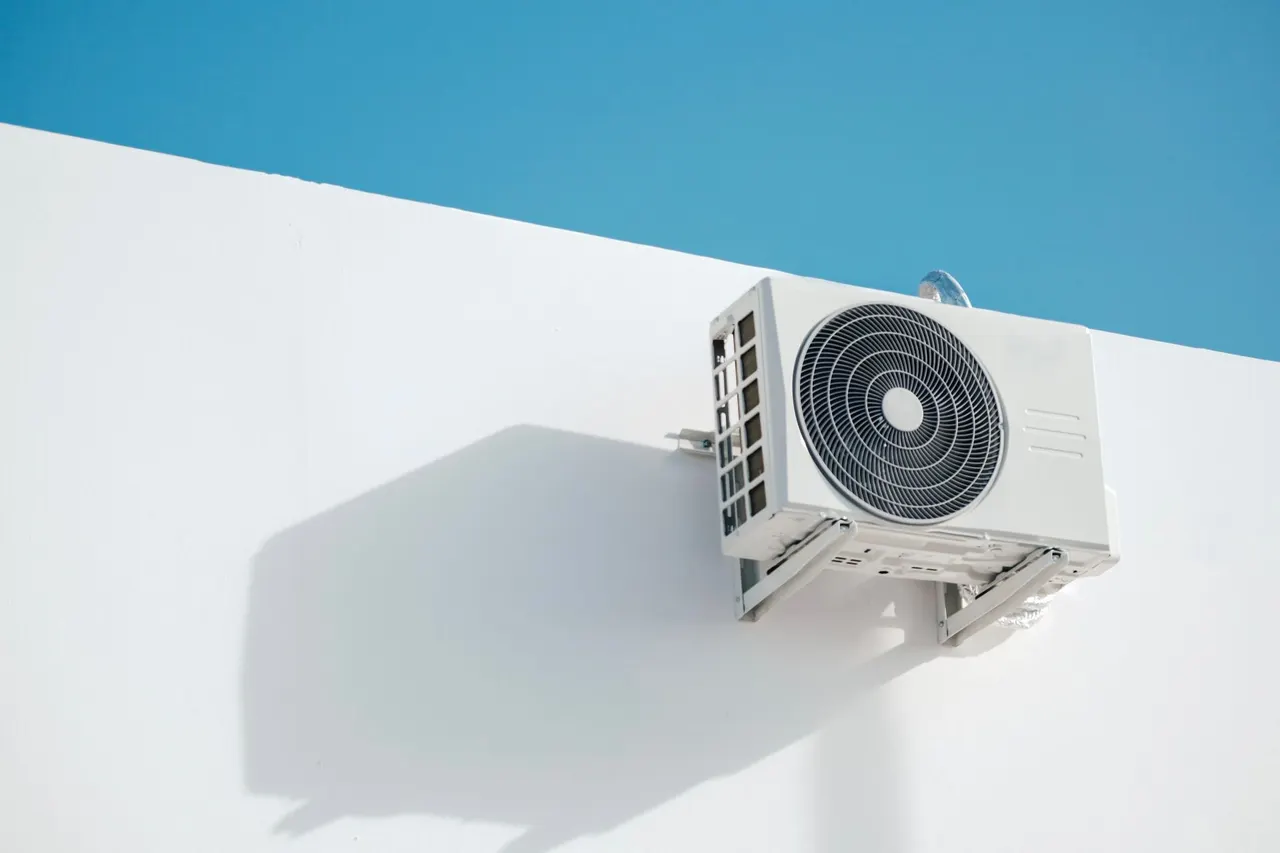
Before we leave, we confirm temperature rise at the supply plenum, check the filter, and show you what failed and why. You get a summary of the work and a reminder of the maintenance interval that keeps the same part from failing again.
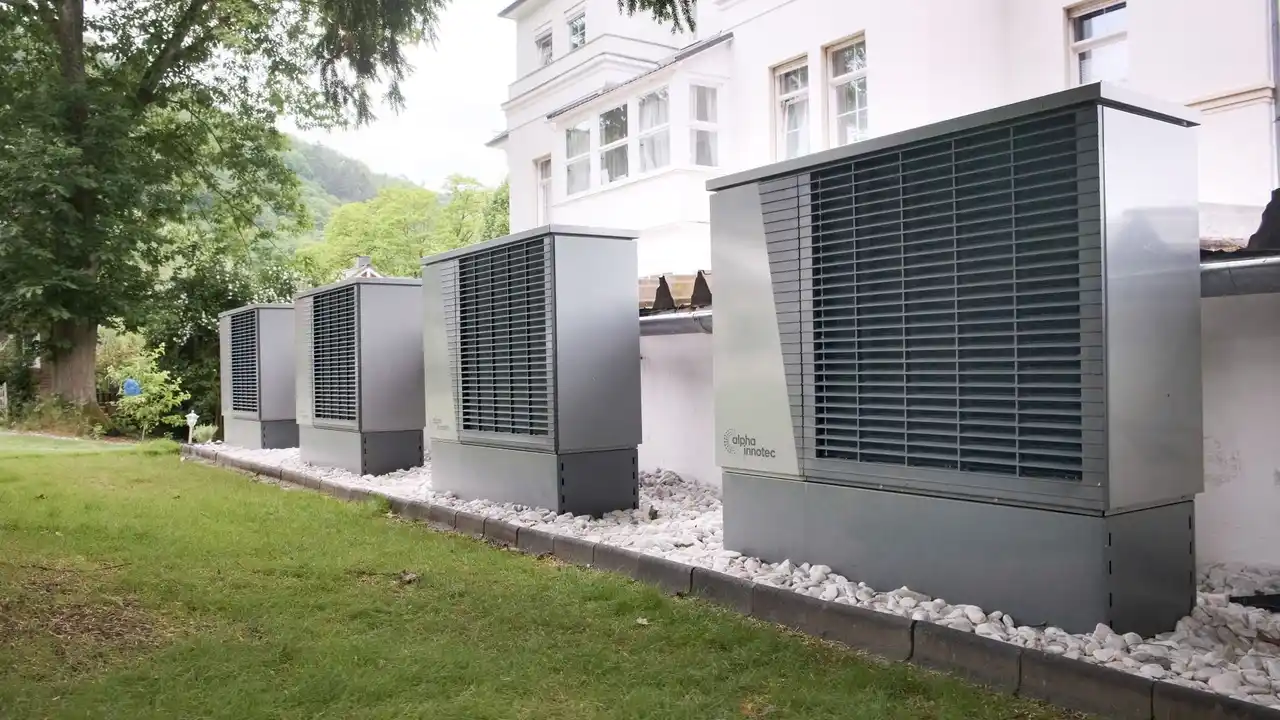
Checks gas pressure at the valve and verifies the furnace is running within the manufacturer's specified range.
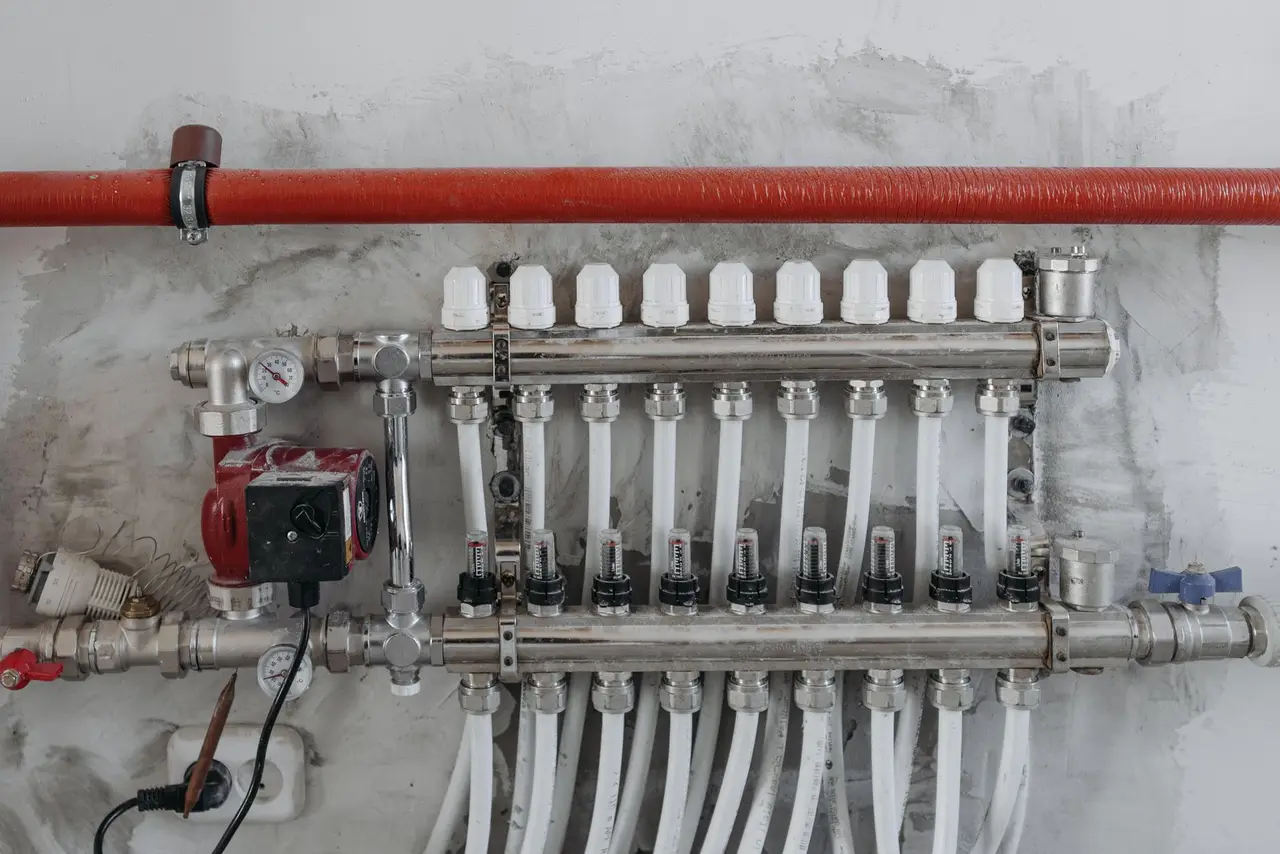
Measures flue gas oxygen, carbon monoxide, and temperature to confirm safe, efficient combustion at Littleton's altitude.
Tests igniters, flame sensors, capacitors, and control board voltage to pinpoint electrical failures without guesswork.
Sniffs for gas leaks at connections and the valve before we restart any equipment.
Measures airflow at registers to confirm the blower is moving the cubic feet per minute the system needs.
Finds leaks in accessible ductwork that rob your furnace of heat before it reaches the rooms.
Used on heat pump and AC components when a repair involves the refrigerant circuit.
Our technicians follow NATE certification standards for testing ignition, airflow, and combustion, which means the diagnosis follows a documented sequence instead of guesswork.
Call us first. We prioritize no-heat calls and can usually reach Littleton addresses the same day. The technician tests the ignition sequence, thermostat signal, and safety switches to find the failure fast. Heat restored the same day, usually within a few hours of your call, so you are not waiting through a cold night.
Leave the house and call us from outside. We treat gas and CO calls as emergencies, shut down the equipment, and inspect the gas valve, burners, and heat exchanger before anything is restarted. The source is found and corrected, and you get documentation that the system is safe to run again.
That usually means the system is undersized, the ductwork is leaking, or the furnace is short cycling on the high limit. We measure temperature rise and static pressure to find which one it is. You get a clear answer and a fix, whether that is a repair, a duct sealing job, or a replacement recommendation.
We diagnose the current failure and give you both numbers: the repair cost and the replacement cost. We do not push either one, and you decide based on the math. You make an informed call instead of throwing money at a system that is near the end of its life.
Littleton sits at about 5,400 feet, and that altitude changes how a furnace burns. Thinner air means less oxygen per cubic foot of gas, so combustion tuning and gas pressure settings matter more here than at lower elevations. Our technicians adjust for altitude on every repair and verify it with a combustion analyzer. The housing stock matters too. Downtown Littleton and Ken Caryl have plenty of homes built in the 1960s through 1980s with original ductwork, undersized returns, and 80% furnaces that are nearing the end of their service life. Newer builds in TrailMark and Roxborough Park often have high-efficiency condensing furnaces with PVC condensate pipe that can freeze in a cold snap. We see both every week. If you are dealing with a furnace ignitor repair Littleton CO call, we carry the part and can usually finish the job in one visit.
A 1998 Carrier furnace stopped lighting on a January morning. The homeowner had no heat, the thermostat was calling, and the house had dropped to 58 degrees by the time we arrived.
We replaced the failed hot surface igniter, cleaned the flame sensor, and verified gas pressure. The furnace was back to a 45-degree temperature rise within two hours, and the house was warm by evening.
Replace the air filter every 60 to 90 days and schedule a fall tune-up so the igniter and flame sensor get checked before the heating season starts.
A 2005 Lennox furnace was cycling on and off every four minutes. The homeowner had replaced the thermostat twice with no change, and gas bills had climbed 20% over the previous winter.
We found a clogged blower wheel and a restricted return duct. After cleaning the blower and correcting the return, the furnace ran full cycles and the temperature rise settled at 42 degrees.
Keep returns clear of furniture and rugs, and have the blower wheel inspected each fall to catch buildup before it causes a high-limit trip.
A high-efficiency Rheem furnace was blowing cold air. The burner would light for a few seconds and shut off. The homeowner had been without heat for two days and the PVC condensate line was frozen solid.
We thawed and rerouted the condensate line, replaced a cracked flame sensor, and tested the system through two full cycles. Heat was restored the same visit and the furnace held through the next cold snap.
Insulate or heat-tape the condensate line before winter, and keep the intake and exhaust vents clear of snow and ice throughout the season.
Most no-heat calls come down to a handful of failures. Here are the ones we see most in Littleton, and what happens if you let them ride.
We test the ignition sequence, flame sensor, and gas valve to find why the burner is not lighting. Most of these trace to a dirty flame sensor or failed igniter, and we carry both on the van. You wake up to a cold house, and pipes in an unheated crawlspace can freeze within hours when overnight lows hit the teens.
A furnace blowing cold air repair Littleton call usually means the igniter or gas valve failed, or the flame sensor is not proving flame. We diagnose which one in about 30 minutes and replace the failed part. The blower runs but the burner never lights, so you are circulating cold air and paying for electricity with no heat.
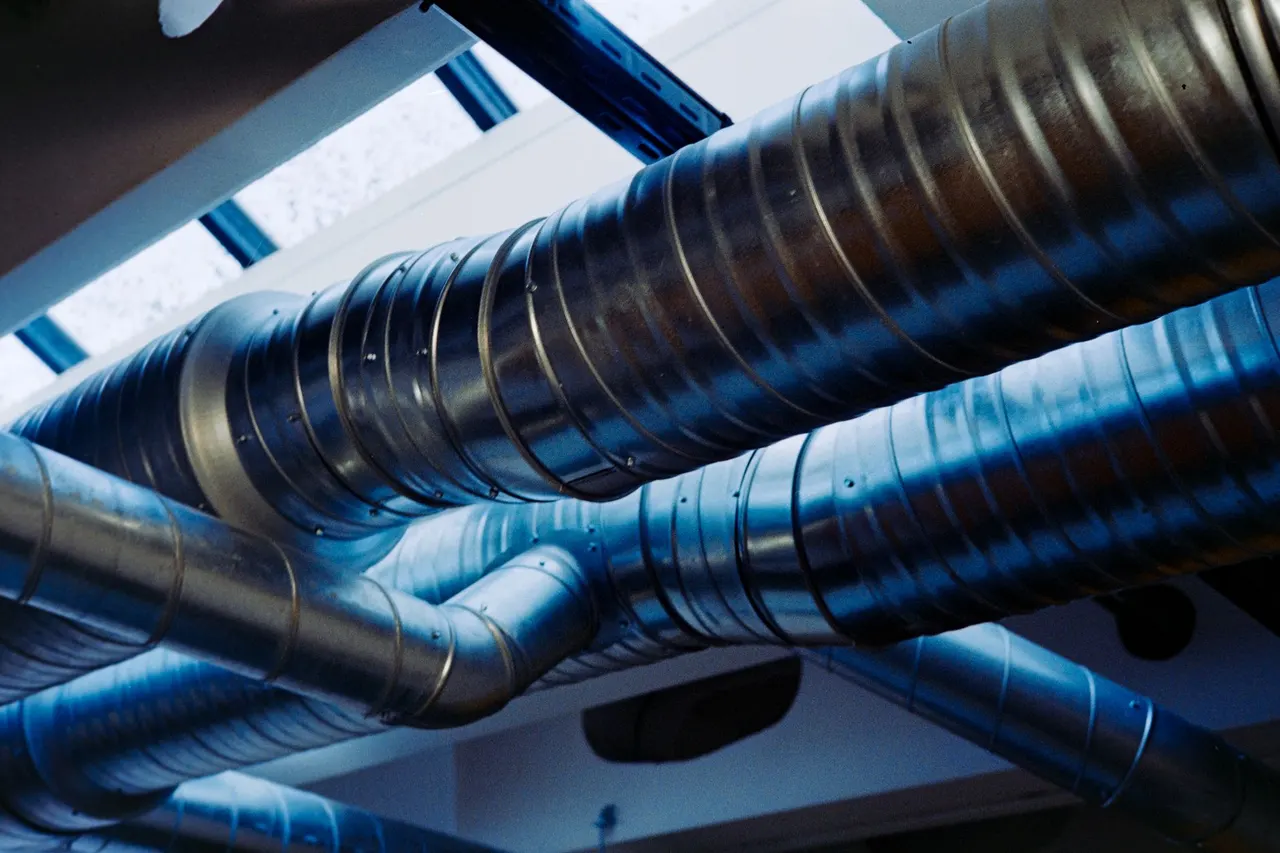
We check the air filter, blower wheel, and ductwork for restrictions, then test the high-limit switch and temperature rise. Fixing airflow usually stops the cycling. Short cycles wear out the blower motor and igniter faster, raise your gas bill, and often signal a high-limit trip from restricted airflow.
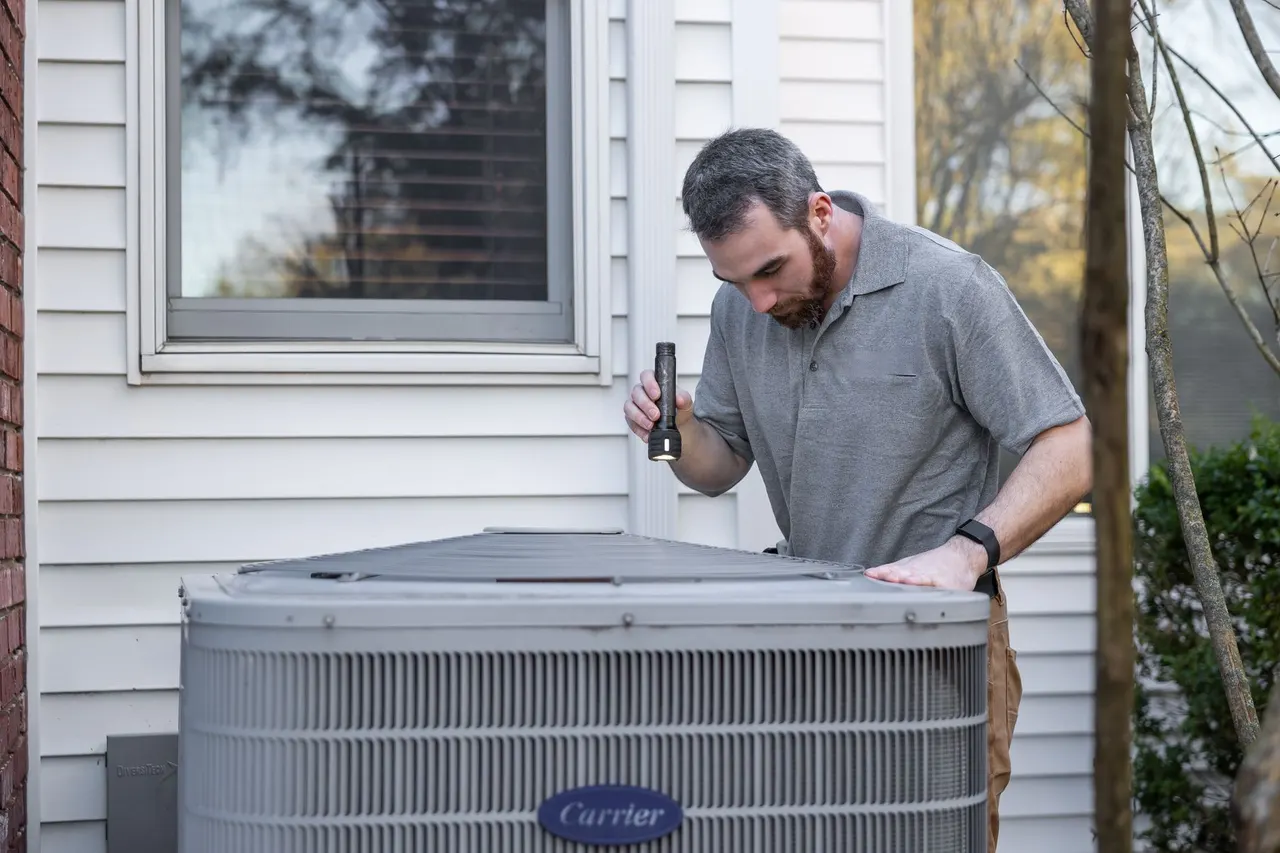
We inspect the blower assembly, inducer motor, and burner flames, then replace the worn component. Delayed ignition gets corrected before it damages the exchanger. A furnace making noise repair Littleton call often points to a failing blower motor bearing or a delayed ignition that can crack the heat exchanger over time.
We prioritize no-heat calls and reach most Littleton addresses within hours, not days. Our vans carry igniters, thermocouples, capacitors, and blower motors for Carrier, Trane, Lennox, Goodman, and Rheem systems, so a single visit usually restores heat.
You get the diagnosis and a flat price before we touch a wrench. Typical furnace repair cost Littleton CO homeowners see runs $180 to $650 depending on the failed part, and we tell you when a repair no longer makes financial sense.
Every visit includes a combustion analyzer check on flue gases and a visual heat exchanger inspection. At altitude, a cracked heat exchanger or blocked flue can push carbon monoxide into your home, and we verify it is venting correctly before we leave.
We torque gas connections, replace worn igniters with OEM parts, and test the system through a full heating cycle. If a furnace making noise repair Littleton call turns out to be a failing inducer motor, we replace it rather than masking the sound.
Clear records you can keep and share.
What failed and why, in plain language
Quoted before any work begins
Temperature rise and combustion readings
A furnace that will not heat usually has one failed part, not five. Knowing what failed and why helps you decide between repair and replacement.
The igniter lights the burner; the flame sensor proves it lit. A dirty sensor shuts the furnace down even when the igniter works fine.
Under 12 years old with a repair under a third of replacement cost, repair. Past 15 years or with a cracked heat exchanger, replacement is safer.
A clogged filter or restricted return can trip the high-limit switch and mimic a failed part. We check airflow before replacing anything.
Outside these areas? Call and ask, we may still cover you. 1234567890
Most repairs run $180 to $650, with the average around $320. A flame sensor cleaning or igniter replacement sits at the low end, while a blower motor or inducer assembly lands higher. Diagnostic fees are credited toward the repair when you approve the work, so you are not paying twice for the same visit.
The three most common causes are a dirty flame sensor, a failed hot surface igniter, and a clogged air filter that tripped the high-limit switch. At Littleton's altitude, combustion issues show up more often too. A technician can test the ignition sequence and gas pressure in about 30 minutes and tell you exactly which part failed.
Repair wins when the furnace is under 12 years old and the fix costs less than a third of a new system. Replacement makes more sense past 15 to 18 years, after a cracked heat exchanger, or when you have paid for three repairs in two seasons. We give you both numbers and let you decide.
We do. Our technicians cover Littleton, Downtown Littleton, Ken Caryl, Columbine, Bow Mar, Roxborough Park, Highlands Ranch, and Centennial. Call before noon and we can usually reach most addresses the same day, including no-heat calls in the 80120, 80123, and 80128 ZIP codes.
No heat is not something to sleep on when the overnight low is in the teens. Call us and we will get a technician to your door, diagnose the problem, and give you a flat price before any work starts. Same-day service across Littleton and Arapahoe County.
Call us at 1234567890 or email info@littletonheating&cooling.com to book a service call. We answer phones Monday through Friday, 8 a.m. to 6 p.m., and run emergency dispatch seven days a week. Most calls get a same-day window if you reach us before noon.