Written report
Every reading we took, in plain language
HVAC Maintenance Littleton CO covers the full check-and-adjust routine your furnace and air conditioner need before each season turns. We clean, measure, and test every component that fails first, from the igniter to the capacitor, so you are not calling for emergency heat on a 10-degree January night. Homeowners across Arapahoe County book us for one reason: the system works when they need it.
A standard tune-up covers inspection, cleaning, testing, and adjustment on one system. Repairs and parts are quoted separately, and we always tell you the price before we touch anything. Here is what you get on a typical visit.

We service the furnace and AC in single-family homes, townhomes, and rentals across Littleton. Every visit ends with a written report of the readings we took.
We keep small commercial and multi-unit systems running on a scheduled maintenance plan. Property managers get a written record for each unit.
Heating and AC maintenance is a measured inspection, not a quick filter swap. A proper visit means pulling the blower compartment, checking the igniter and thermocouple, testing the capacitor and blower motor amp draw, verifying refrigerant charge on the AC side, and confirming the heat exchanger has no cracks. We run a combustion analyzer on gas furnaces, check the PVC condensate pipe for clogs, and measure static pressure so we know your ductwork is not choking the system. Every reading gets logged, and you get the numbers.
Littleton sits at the edge of the Front Range, which means 95-degree July afternoons and single-digit January mornings in the same calendar year. That swing is hard on equipment. A furnace and AC maintenance Littleton CO visit in spring catches a weak capacitor before it kills the compressor in August; a fall furnace tune-up Littleton CO visit finds a cracked heat exchanger before you are running it every night. Skipping a year is how a $200 service turns into a $6,000 replacement.
Measure the system, clean what is dirty, and fix what is trending toward failure.
You get a scheduled window, a technician who shows up inside it, and a written report of every reading we took. No mystery, no upsell script. Here is how a visit runs from start to finish.
Call or book online and we lock in a two-hour arrival window. Tell us what you have noticed, whether that is a short-cycling AC, a furnace that takes two tries to light, or nothing at all. We schedule spring AC tune-ups and fall furnace tune-ups so both sides of your system get covered before the season that stresses them.
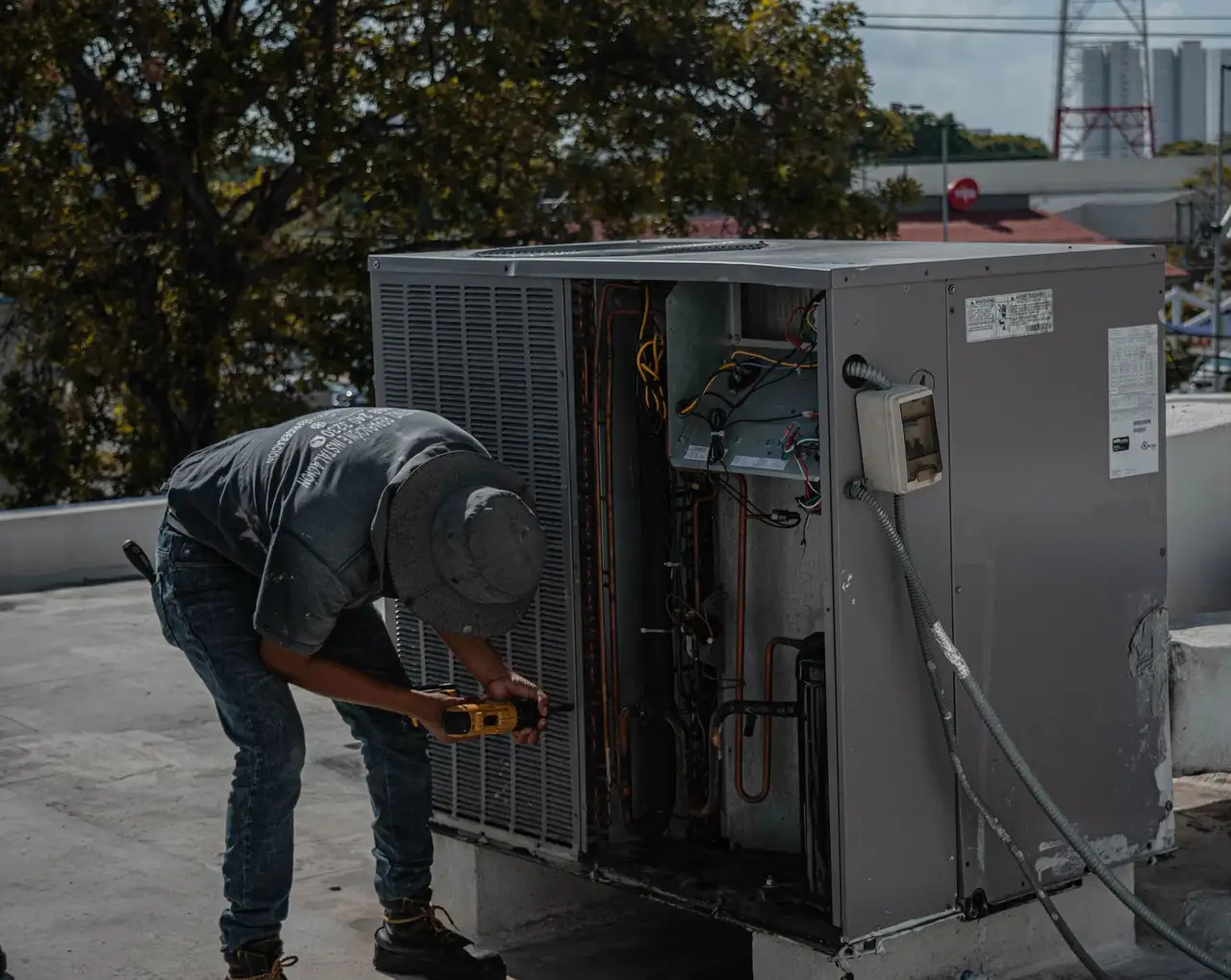
The technician starts with the air handler and filter, then works through the furnace or AC. Expect a manifold gauge set on the refrigerant circuit, a multimeter on the capacitor and blower motor, and a combustion analyzer on the gas side. We check the igniter, thermocouple, gas valve, and PVC condensate pipe. This stage takes 45 to 70 minutes.
We wash the evaporator and condenser coils, clear the condensate drain, tighten electrical connections, and set the refrigerant charge to manufacturer spec. Filters get swapped, the blower wheel gets cleaned, and the thermostat gets checked against a calibrated reading. Dirty coils and loose connections are the two most common causes of short cycling.
We run the system through a full heating and cooling cycle and watch temperature rise and drop against spec. Static pressure gets measured across the air handler to confirm your ductwork is not leaking or undersized. If a duct leakage tester or anemometer shows a problem, we tell you what it means and what it costs to fix.
You get a plain-language rundown of what we found, what we adjusted, and what to watch. Any part that is close to failing gets flagged with a price, not a scare tactic. If everything is healthy, we tell you that too, and you are set until the next season.
Reads high-side and low-side refrigerant pressures so we can verify the charge against manufacturer spec instead of guessing by feel.
Measures carbon monoxide, oxygen, and flue temperature on gas furnaces. It confirms the burner is running clean and the heat exchanger is not leaking.
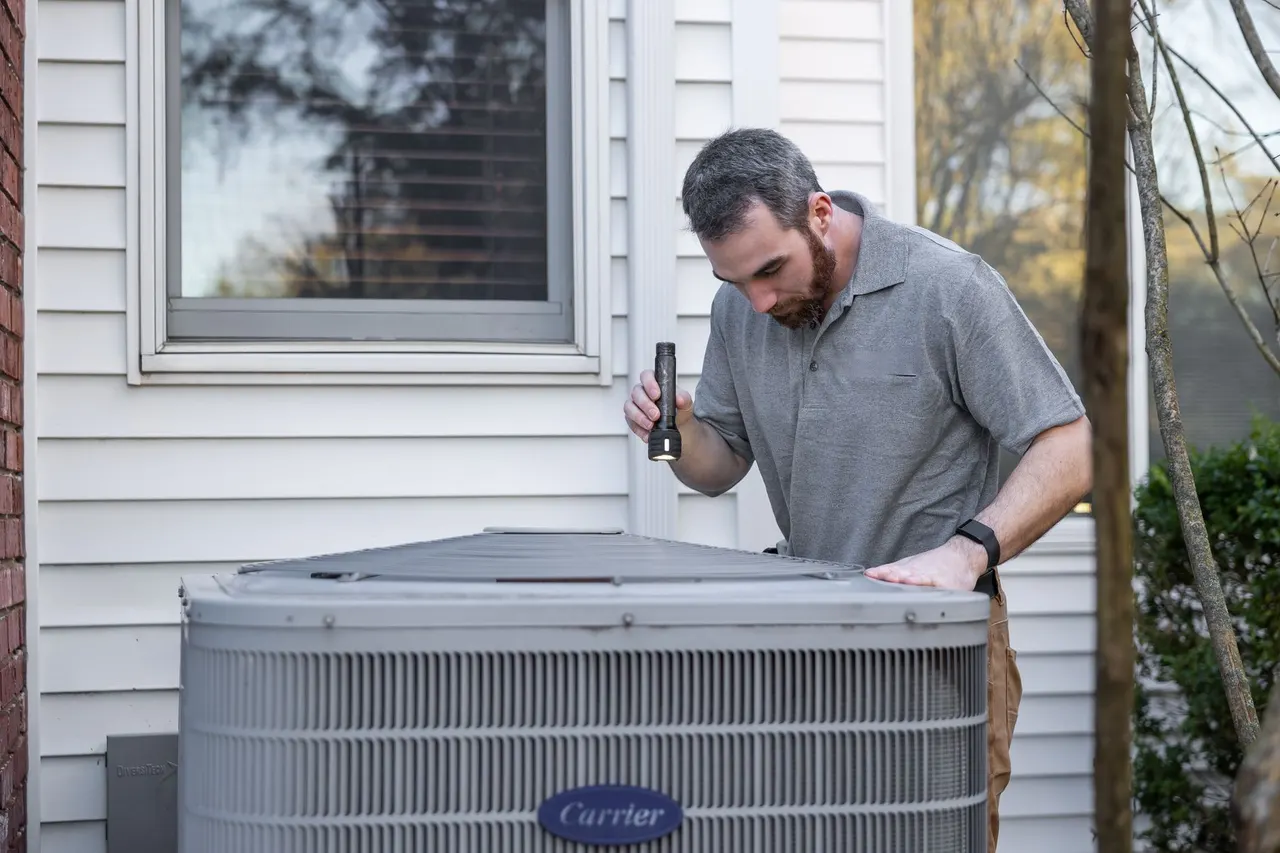
Tests capacitor microfarads, blower motor amp draw, and electrical continuity. A capacitor reading below spec is one of the earliest signs of a coming failure.
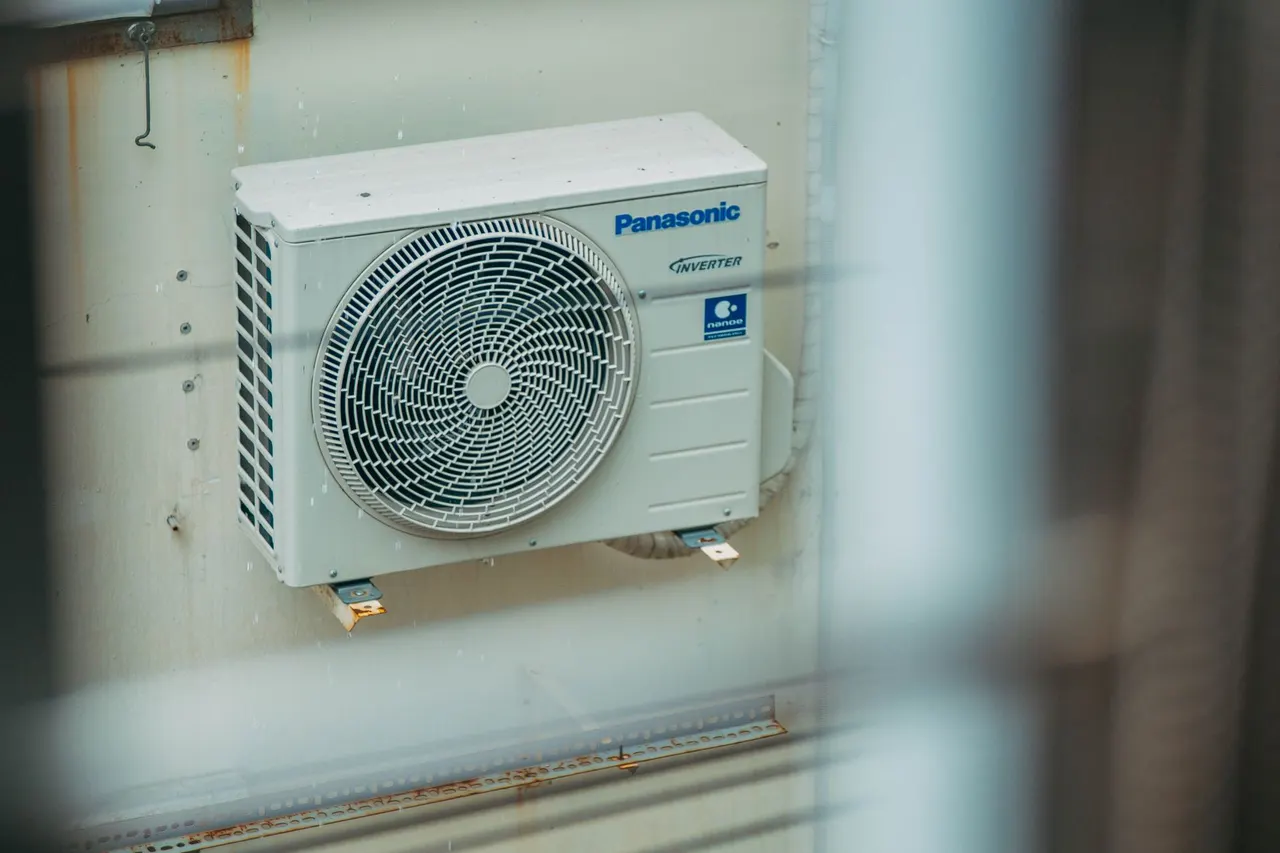
Finds refrigerant leaks on the AC circuit before we add a single ounce of refrigerant. Topping off a leaking system just delays the repair.
Measures airflow at the registers and checks ductwork for leaks. Together they show whether the system is moving the air it was designed for.
Used when a repair requires opening the refrigerant circuit. The recovery machine captures refrigerant per EPA rules, and the vacuum pump pulls the system down before recharge.
Every visit follows the same order: airflow first, then electrical, then refrigerant or combustion. Checking airflow first catches the problems that make everything downstream read wrong, so we do not chase a symptom that is really a duct issue.
When we evaluate whether a system is sized correctly or a duct is undersized, we apply ACCA manual J load and manual D duct design principles. That is how we tell you whether a problem is a failing part or a system that was never matched to the house.
We run a full inspection on both systems, document the current condition, and give you a baseline report. That tells you what you inherited and what to budget for. It also starts the maintenance record most manufacturers want for warranty coverage. You know exactly what shape your equipment is in and what it will cost to keep it running, instead of finding out on the first cold night.
An annual HVAC tune-up Littleton CO visit catches the parts that fail first on aging equipment: capacitors, blower motors, igniters, and thermocouples. We test each one and replace what is trending toward failure before it quits. You get several more years out of the system you already own and avoid an emergency replacement on someone else's schedule.
We do a spring AC tune-up: wash the condenser and evaporator coils, verify refrigerant charge, test the capacitor and contactor, and clear the condensate drain. If the system was short cycling last year, we find out why. The AC holds its setpoint on the hottest afternoons instead of running all day and still leaving the house warm.
We service the furnace and AC, provide a written report of every reading, and flag anything that needs repair before it becomes a tenant call. Property managers get a record for each unit on file. Fewer emergency calls from tenants, a documented maintenance history, and equipment that lasts longer between replacements.
Littleton sits where the plains meet the foothills, and that geography drives the work. Summer afternoons push past 95 degrees, winter mornings drop into the single digits, and the shoulder seasons swing 40 degrees in a day. That range stresses capacitors, blower motors, and refrigerant charge. Older homes in Downtown Littleton and Columbine often have original sheet metal ductwork with leaky joints, while newer builds in TrailMark and Ken Caryl have tighter envelopes that need different airflow settings. We check static pressure and duct leakage on every visit because a system that is moving air correctly lasts longer and costs less to run. If you are searching for an annual HVAC tune-up Littleton CO homeowners trust, we adjust the checklist to your house and your equipment, not a generic script.
A 10-year-old AC was turning on and off every four minutes and the house never got below 76 degrees on hot afternoons. The homeowner had replaced the thermostat twice with no change. Electric bills were running about $60 higher than the previous summer.
We found a capacitor reading 22 microfarads against a 35 spec and a condenser coil packed with cottonwood debris. After replacing the capacitor and washing the coil, the system ran continuous cycles and held 72 degrees. Amp draw dropped to spec and the bill came back down.
Wash the condenser coil each spring and keep landscaping trimmed back a foot from the unit. We test the capacitor on every annual visit so a $30 part never turns into a compressor replacement.
A fall furnace tune-up on a 14-year-old Carrier furnace turned up a carbon monoxide reading above safe limits. The homeowner had no symptoms and no idea anything was wrong. The furnace was still heating the house normally.
We shut the furnace down, showed the homeowner the crack on camera, and quoted a replacement. The new furnace went in the next day with a proper ACCA manual J load calculation. Carbon monoxide readings came back to zero and the house was warm that night.
Annual combustion testing catches a cracked heat exchanger before it becomes a health risk. We test carbon monoxide and flue draft on every fall furnace tune-up.
A 1920s home had an upstairs bedroom that ran 8 degrees warmer than the main floor all summer. The AC was only four years old and tested fine on its own. The homeowner assumed the system was undersized and was ready to replace it.
A duct leakage test showed a disconnected run in the attic losing roughly 25 percent of the conditioned air. We reconnected and sealed the duct, then rebalanced the registers. The upstairs bedroom now holds within 2 degrees of the main floor, and no equipment replacement was needed.
Check duct joints every few years, especially in attics and crawlspaces where temperature swings loosen connections. We inspect accessible ductwork on every maintenance visit.
Most breakdowns do not happen without warning. They start as a small reading that drifts out of spec. Here are the issues we find most often on Littleton systems, and what happens if they go unaddressed.
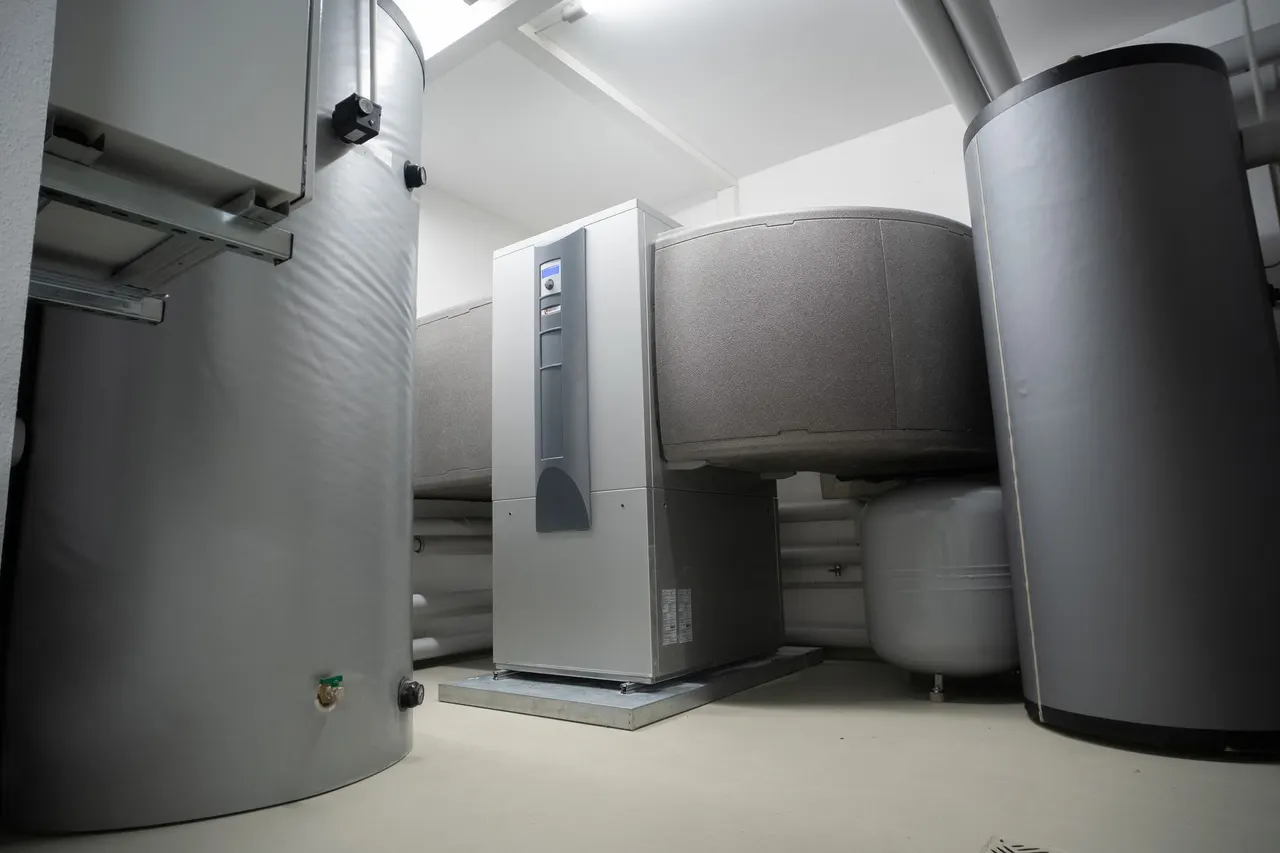
During a fall furnace inspection Littleton CO visit, we test the igniter resistance and clean the flame sensor. If either is close to failing, we replace it on the spot for a fraction of an emergency repair. You go into winter with a furnace that lights on the first try. A failed igniter or dirty flame sensor leaves you with a cold house and an emergency call, often at the worst possible time. The part itself is cheap, but the after-hours visit is not.
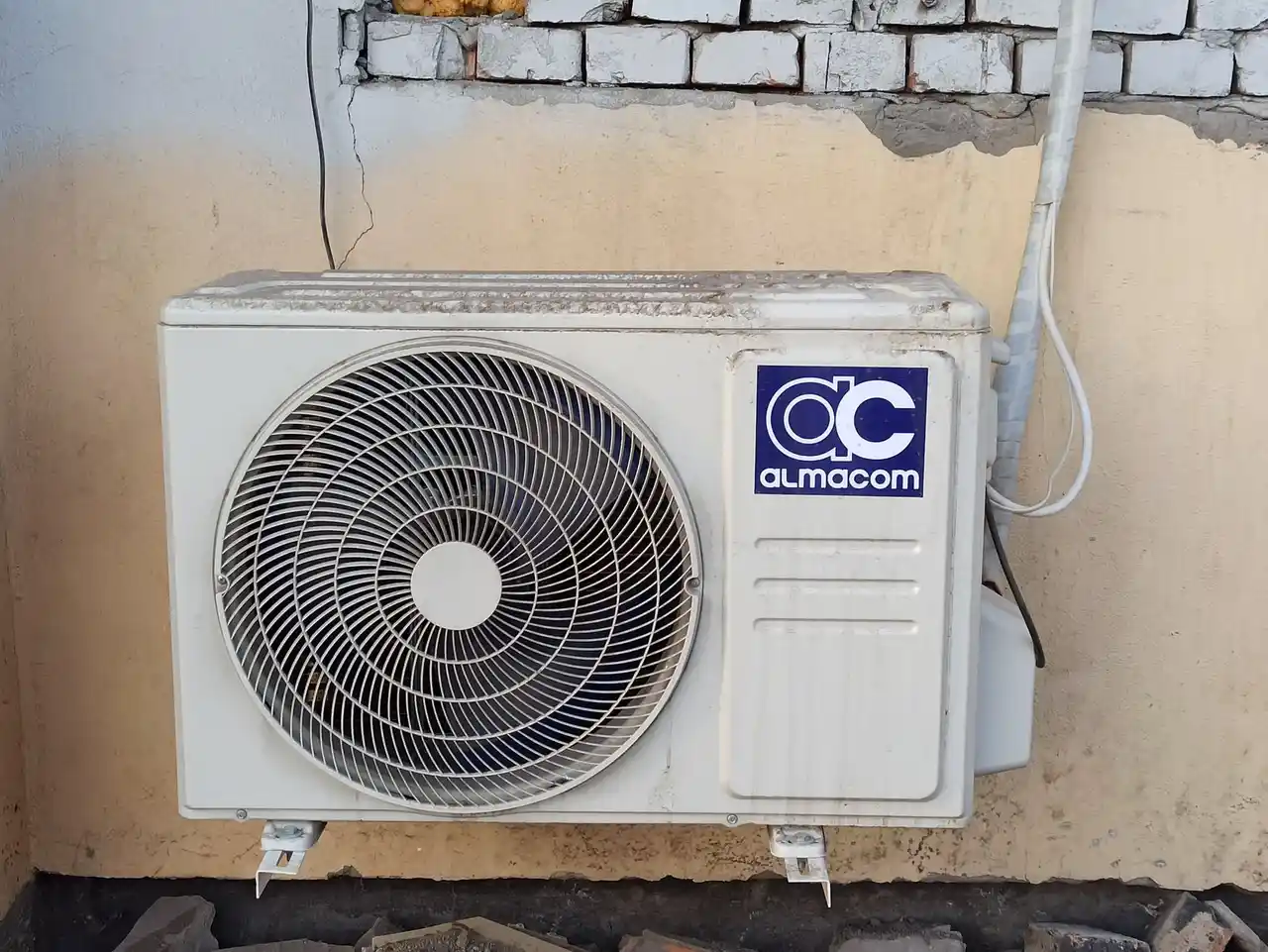
We check the charge, inspect the coil, and clear the condensate drain on every AC tune-up Littleton CO visit. If we find a leak, we locate it with a leak detector, repair it, and recharge to spec so the system cools like it should. A frozen evaporator coil or a low refrigerant charge makes the system run constantly without dropping the temperature. That drives up your electric bill and can kill the compressor, which is the most expensive part in the unit.
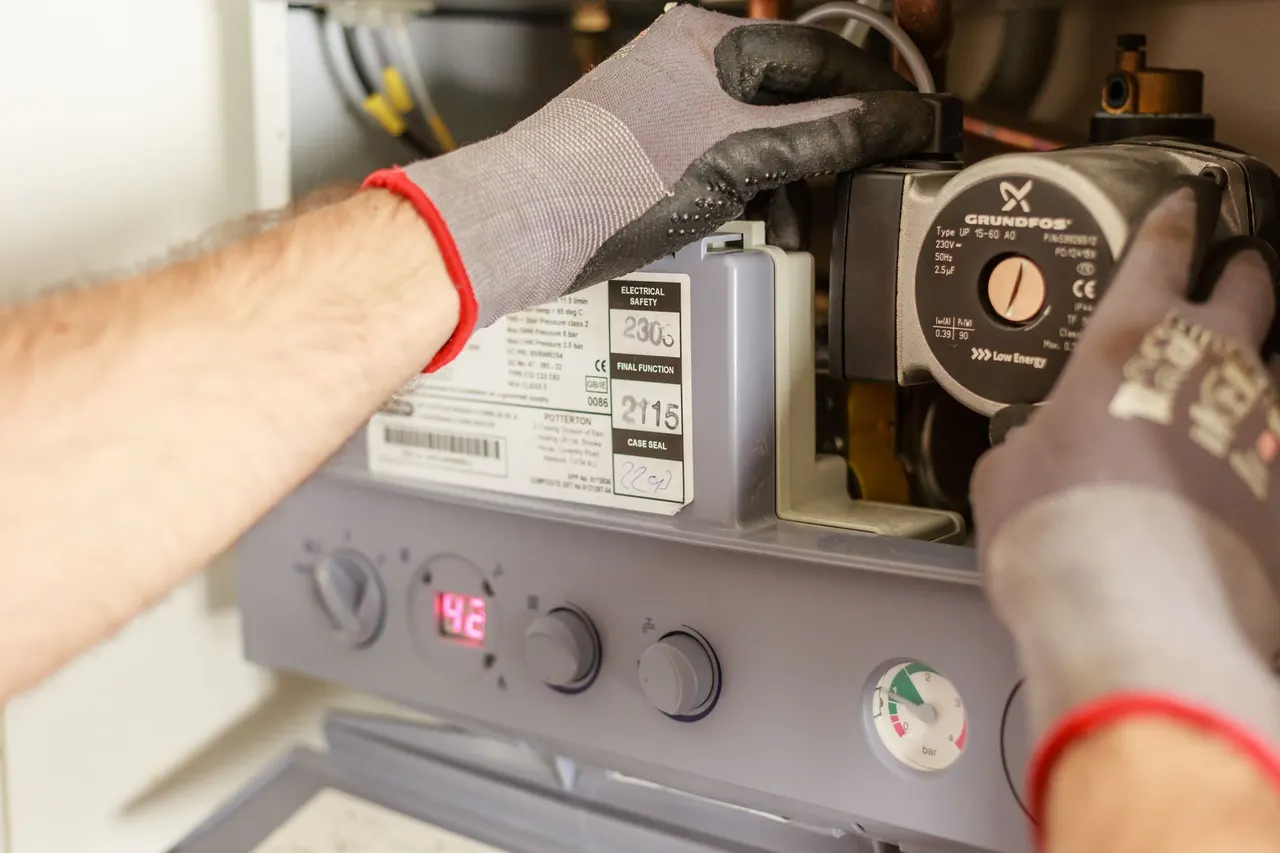
We measure capacitor microfarads, blower motor amp draw, and thermostat calibration. Correcting these is usually a small repair. We also check duct leakage, since a leaky duct system can cause the same symptom and waste 20 to 30 percent of your conditioned air. A system that turns on and off every few minutes never reaches full efficiency. An oversized capacitor, a failing blower motor, or a thermostat malfunction all cause it, and each one wears the equipment down faster.
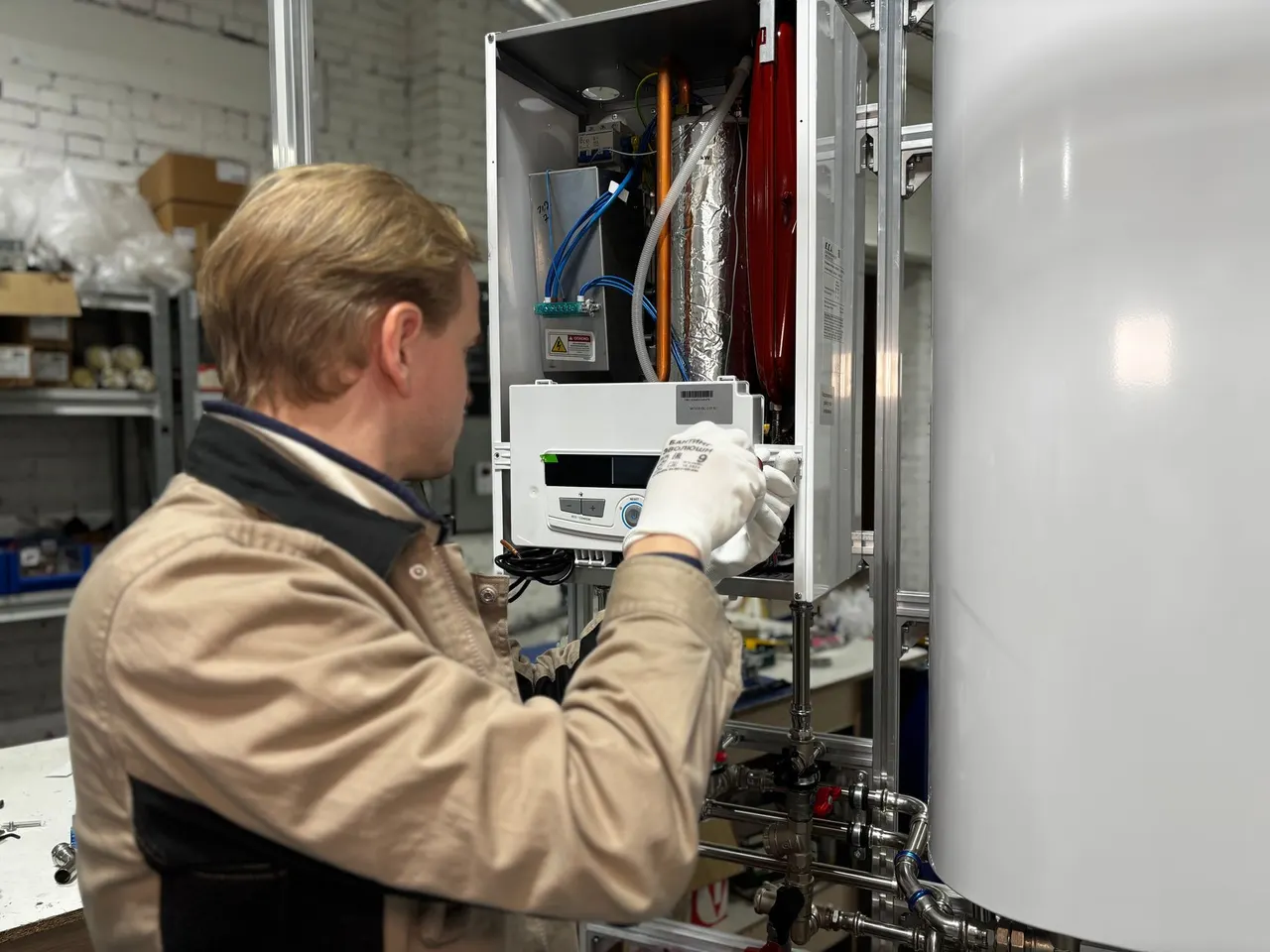
We replace the filter, clean the blower wheel, and wash the coil. We also check the return air path for leaks that pull attic or crawlspace dust into the system. Most customers notice cleaner air within a day of the visit. A clogged filter, a dirty blower wheel, and a dusty evaporator coil circulate contaminants through every room. For anyone with allergies or asthma, that turns the house into the worst place to be.
A dirty evaporator coil and a clogged filter can push your system 10 to 15 percent harder to hit the same thermostat setting. Cleaning the coil, correcting refrigerant charge, and setting proper airflow typically trims 8 to 12 percent off heating and cooling costs. On a $180 monthly bill, that is real money back in your pocket every month.
Most no-heat and no-cool calls trace back to a part that gave warning signs weeks earlier: a capacitor reading low, a blower motor drawing high amps, a flame sensor coated in carbon. We catch those on a tune-up instead of on a 2 a.m. emergency call. That is the difference between a scheduled visit and a cold house.
A furnace or AC that gets annual service routinely runs 15 to 20 years. One that runs dirty and overworked often quits at 10 or 12. Stretching five more years out of a system you already own beats financing a replacement, and it keeps your warranty intact, since most manufacturers require documented annual maintenance.
We test for carbon monoxide, inspect the heat exchanger for cracks, and verify the flue is drafting correctly. We also check the filter and blower wheel, which is where dust and allergens collect. A furnace tune-up Littleton CO homeowners schedule each fall is as much about safety as it is about comfort.
Clear records you can keep and share.
Every reading we took, in plain language
What we replaced and what it cost
What to watch before the next season
A tune-up is inspection, cleaning, testing, and adjustment on one system. Repairs and parts are quoted separately, and you approve them before we start.
We inspect, clean, test, and adjust the system. Filters, coils, drains, and electrical components all get checked. You get a written report of every reading.
Parts and repairs are not part of the flat tune-up price. We quote the part and labor before installing anything. You decide whether to proceed.
A tune-up catches small problems before they become expensive ones. A weak capacitor or a dirty coil costs little to fix now and a lot to ignore.
Outside these areas? Call and ask, we may still cover you. 1234567890
A single-system tune-up runs $99 to $189 in 2026, and a furnace-plus-AC visit on the same day is $179 to $289. Add-ons like coil cleaning, duct sealing, or a smart thermostat install push the total higher. Most homeowners land in the $150 to $250 range for a standard annual visit. We quote the price before we start, so you know the number up front.
Plan on 60 to 90 minutes for one system and up to two and a half hours if we service both the furnace and the AC in one visit. Coil cleaning, refrigerant charge adjustment, and combustion testing each add time. If we find a repair, we quote it and you decide whether to do it the same day or schedule it separately.
We inspect and clean the blower, check the igniter, thermocouple, and gas valve, test the capacitor and blower motor, verify refrigerant charge, wash the evaporator and condenser coils, clear the condensate drain, and check the thermostat. We also measure static pressure and test for carbon monoxide on gas systems. You get a written report of every reading we took.
Yes, and the math is simple. A $150 tune-up that catches a weak capacitor saves a $400 to $900 repair, and an annual visit keeps your manufacturer warranty valid. Colorado's 90-degree summers and single-digit winters push equipment hard. Systems on a yearly maintenance plan routinely outlast neglected ones by five years or more.
Spring AC tune-ups and fall furnace tune-ups fill fast, so grab a slot now. We quote the price before we start, show up inside the window, and leave you a written report of every reading. Call today and get your system ready.
Call us at 1234567890 or email info@littletonheating&cooling.com to book a service call. We answer phones Monday through Friday, 8 a.m. to 6 p.m., and run emergency dispatch seven days a week. Most calls get a same-day window if you reach us before noon.